When Your Booth Looks Good—But Still Doesn’t Work
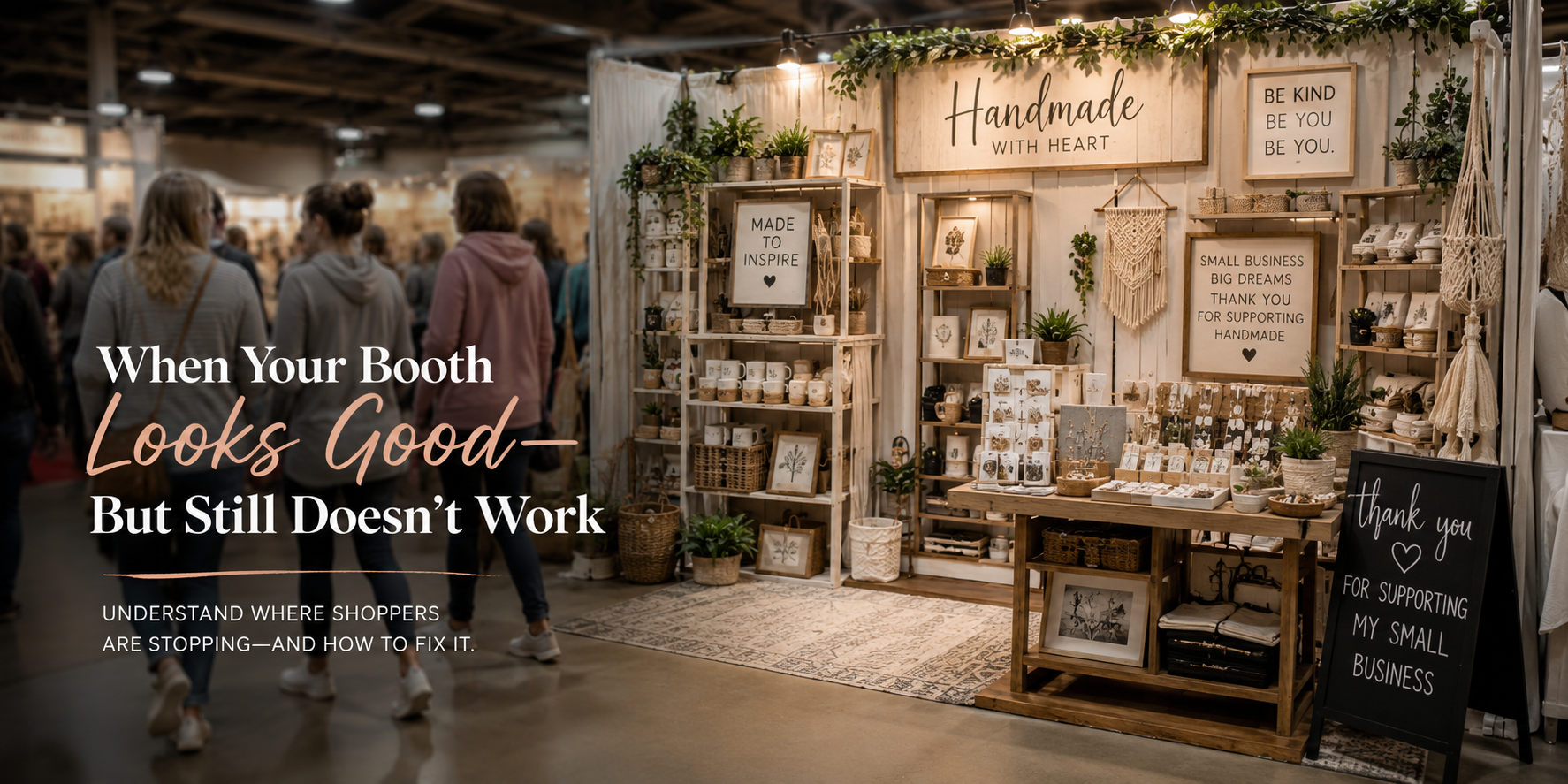
An attractive booth and an effective booth aren't always the same thing.
Your booth looks good.
You've worked on it.
You've improved displays.
You've rearranged products.
You've invested in signs.
Maybe other vendors have even complimented it.
And honestly?
You like how it looks too.
Which is why it's so frustrating when the results don't match the effort.
Because if the booth looks good…
why doesn't it seem to work?
Why This Happens
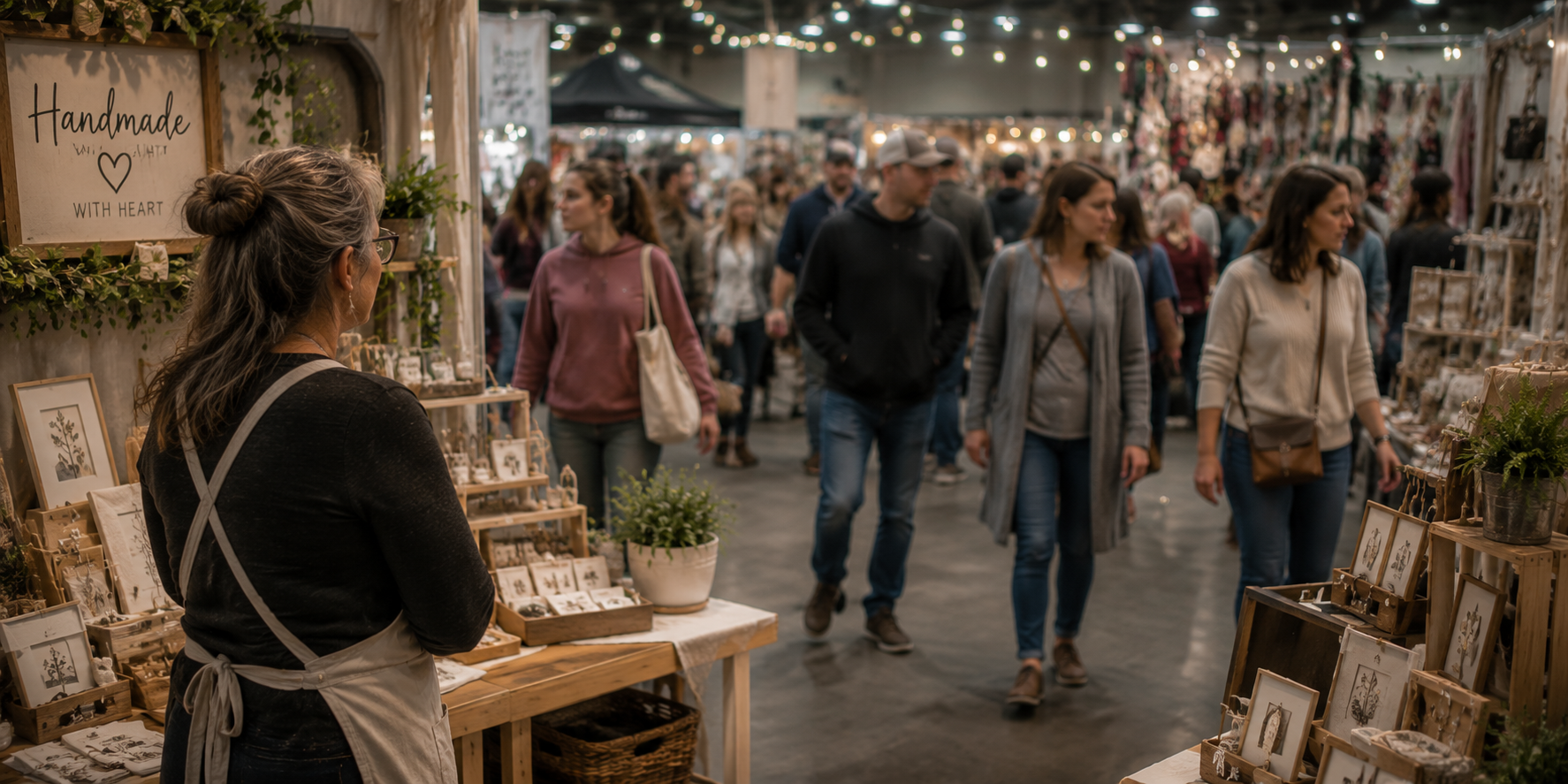
Shoppers don't see hours of preparation. They experience what it feels like to approach, enter, and browse.
Looking good and working well aren't always the same thing.
Shoppers don't experience your booth the way you do.
They don't see hours of preparation.
They don't know how much you've improved.
They simply experience what it feels like to approach, enter, and browse.
And sometimes a booth that photographs beautifully still creates friction in real life.
Signs This Might Be Happening
You might recognize some of these:
People compliment your setup but rarely buy.
Visitors stop briefly and move on.
You keep tweaking things from show to show.
Nothing seems obviously wrong.
The booth feels better than it performs.
The frustrating part?
You can't point to one thing and say:
"That's the problem."
Sometimes nothing looks wrong. It just feels like something isn't connecting.
Instead, it just feels like something isn't connecting.
What To Focus On First
Before changing everything again, try asking:
Where are shoppers stopping?
Because booths usually don't fail everywhere.
People might:
walk past
slow down
hesitate
browse
become overwhelmed
Understanding where things break is often more useful than redesigning the whole booth.
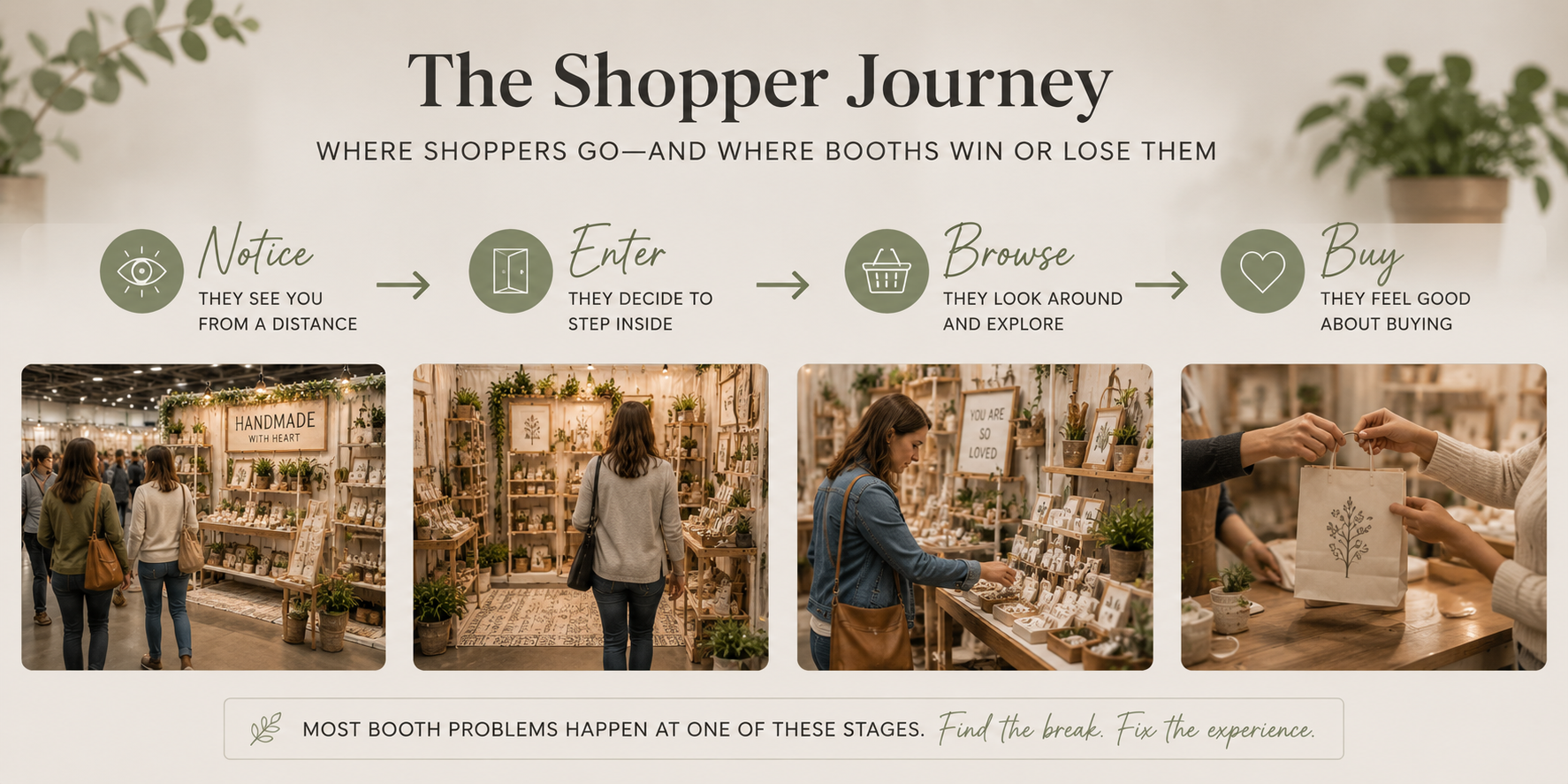
Most booth problems happen at one stage of the shopper journey—not everywhere.
A Simple Way To Think About It
Every shopper goes through a journey.
First they notice.
Then they decide whether to enter.
Then they browse.
Eventually they decide whether to buy.
Most booth problems happen somewhere along that path.
And once you know where the break is, fixing it becomes much easier.
Ask Yourself
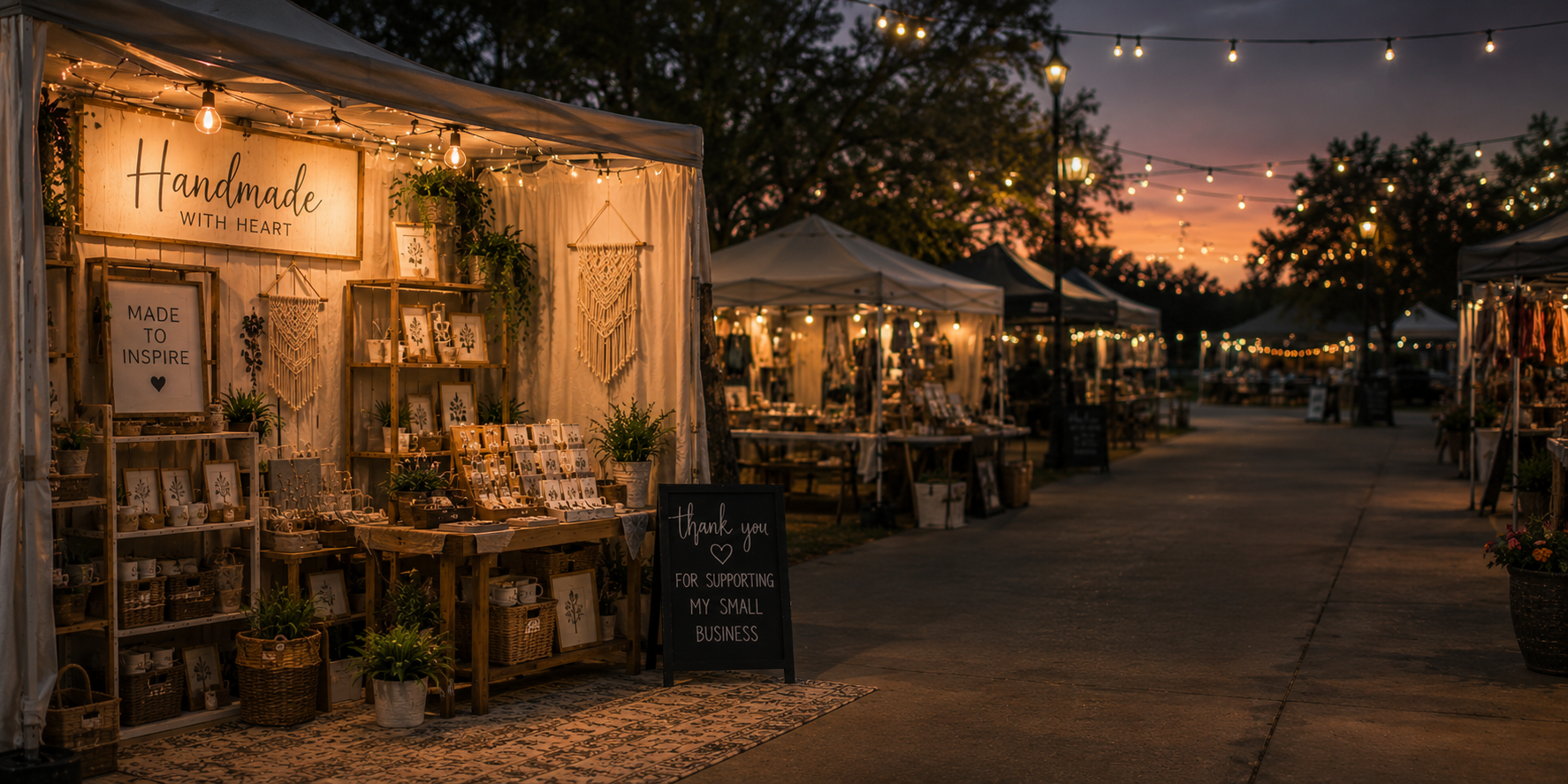
Sometimes the best changes begin by stepping back and seeing the booth through a shopper's eyes.
Are people seeing the booth?
Are they entering?
Are they staying?
Are they comfortable browsing?
Am I trying to fix everything instead of finding the real problem?
What This Doesn't Mean
This doesn't mean your booth looks bad.
And it doesn't mean all your effort was wasted.
In fact, a booth that already looks good usually needs smaller changes than you think.
Sometimes the answer isn't adding more.
Sometimes it's understanding how shoppers experience the booth you already have.
Remember
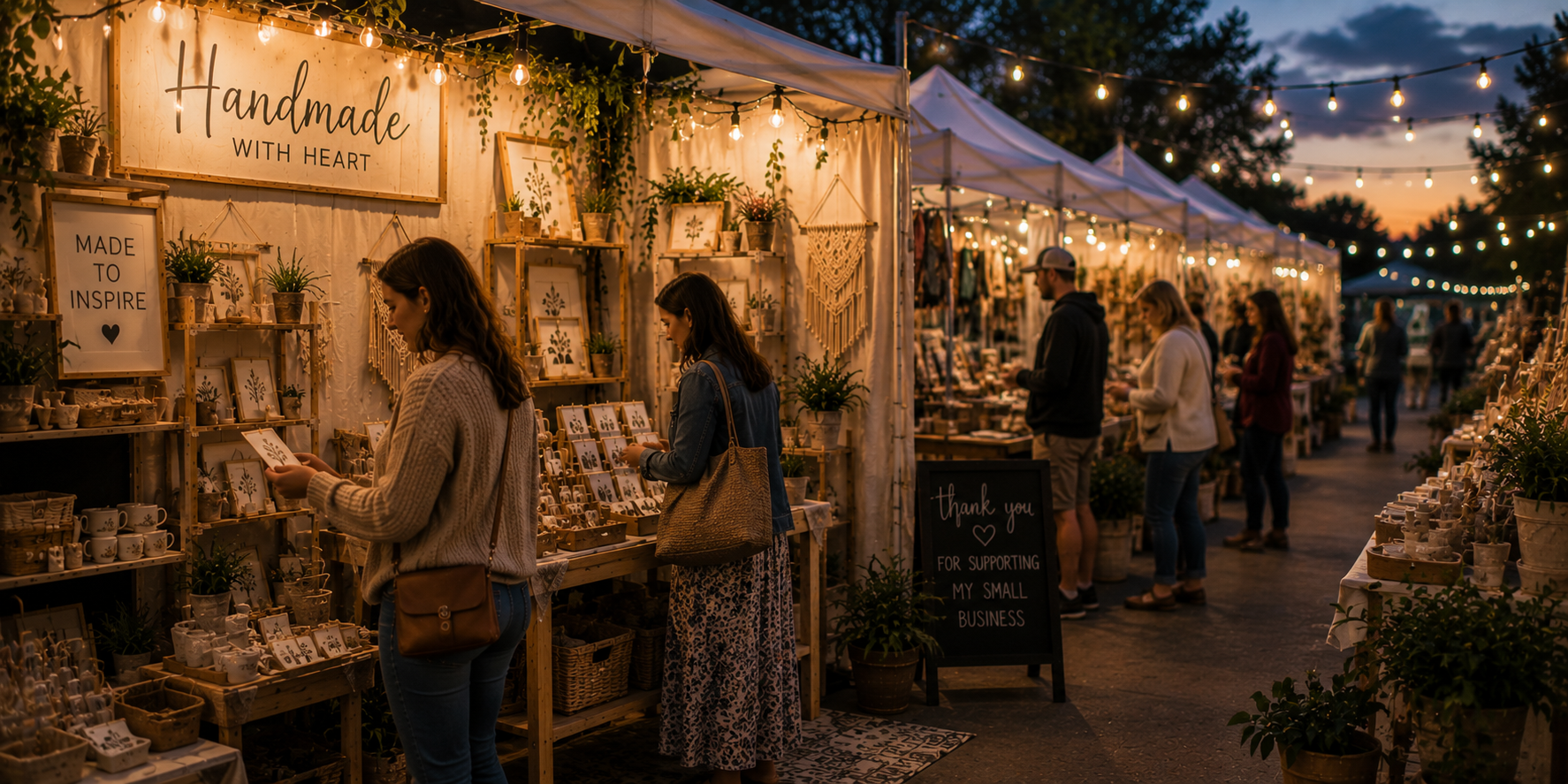
Better results usually come from small improvements, not complete reinventions.
Beautiful booths can struggle.
Simple booths can thrive.
And most of the time, the difference isn't talent.
It's understanding where shoppers are getting stuck.
Because when your booth starts working, it usually doesn't happen all at once.
It happens one small improvement at a time.
Related Articles
What Customers Notice First in a Craft Booth
Why Shoppers Slow Down—but Never Step Into Your Booth
Why Shoppers Browse Your Booth But Don't Buy
Helpful Resource
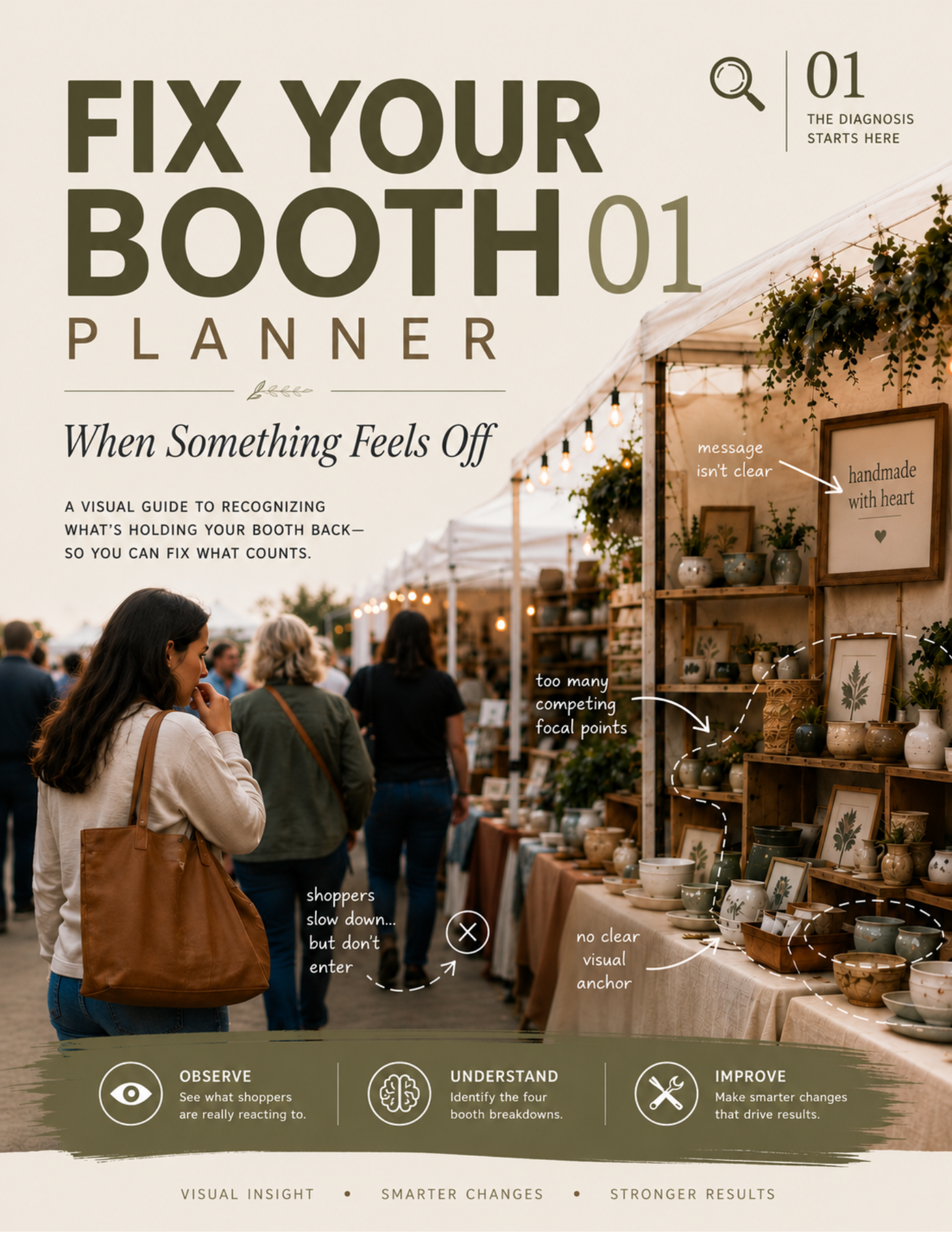
If something feels off but you can't tell why, this planner helps you recognize what's holding your booth back and focus on what matters most.