


What to Focus On When Shoppers Slow Down - But Don’t Step Into Your Booth
They noticed you.
They slowed down.
But they stayed in the aisle.
That tells you something important.
They Didn’t Walk Past
They saw something.
Something caught their attention.
For a moment, they considered coming closer.
_______
Then something stopped the moment.
That’s different from someone walking straight past.
Your booth got their attention.
It just didn’t make the next step feel obvious enough to take.
So don’t start by trying to get more attention.
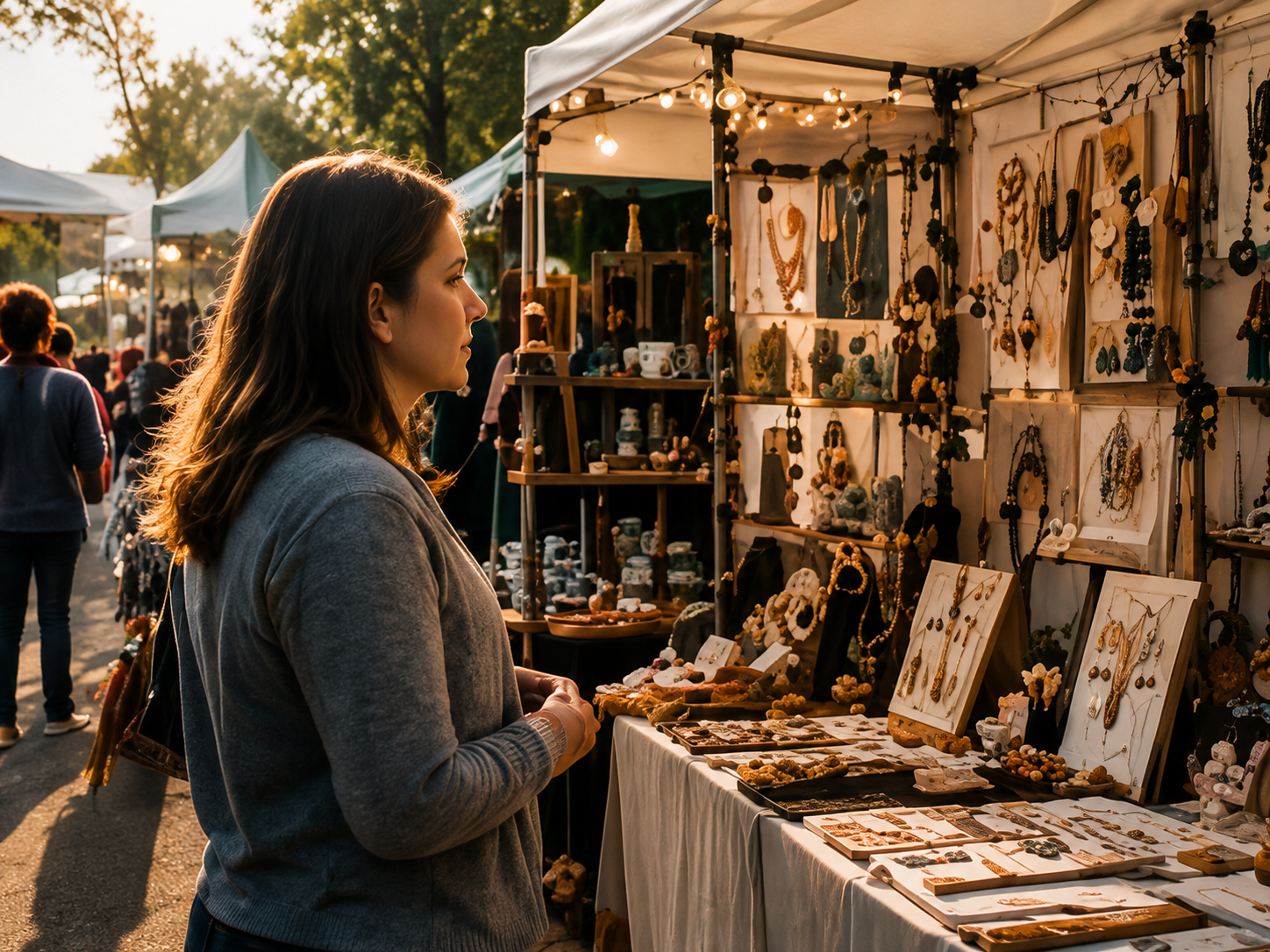
The problem may not be getting them to stop.
It may be getting them from stopping to entering.
Find Where the Movement Stops
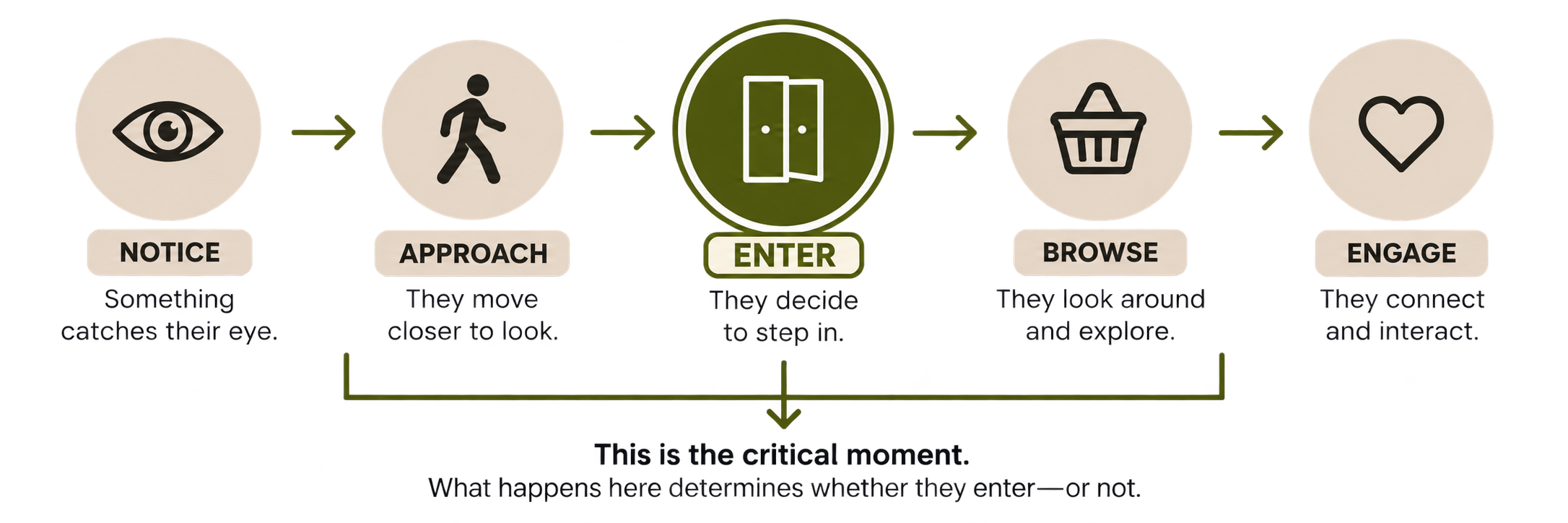
A shopper moves through a series of small decisions before anything gets purchased.
If shoppers are slowing down at the edge of your booth, you already know something.
NOTICE is working.
APPROACH may be working.
The question is what happens next.
What Hesitation Looks Like
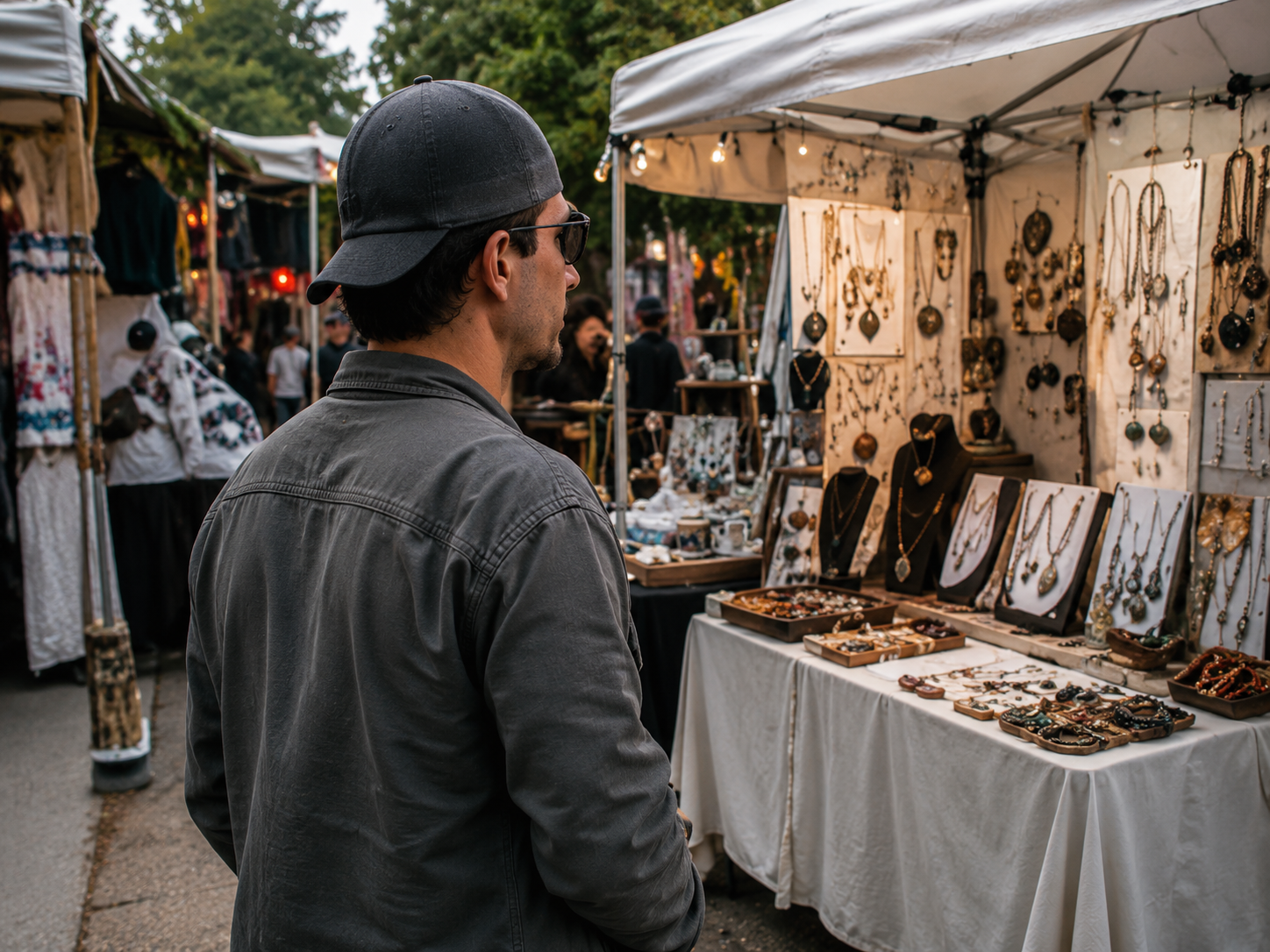
They stop at the corner
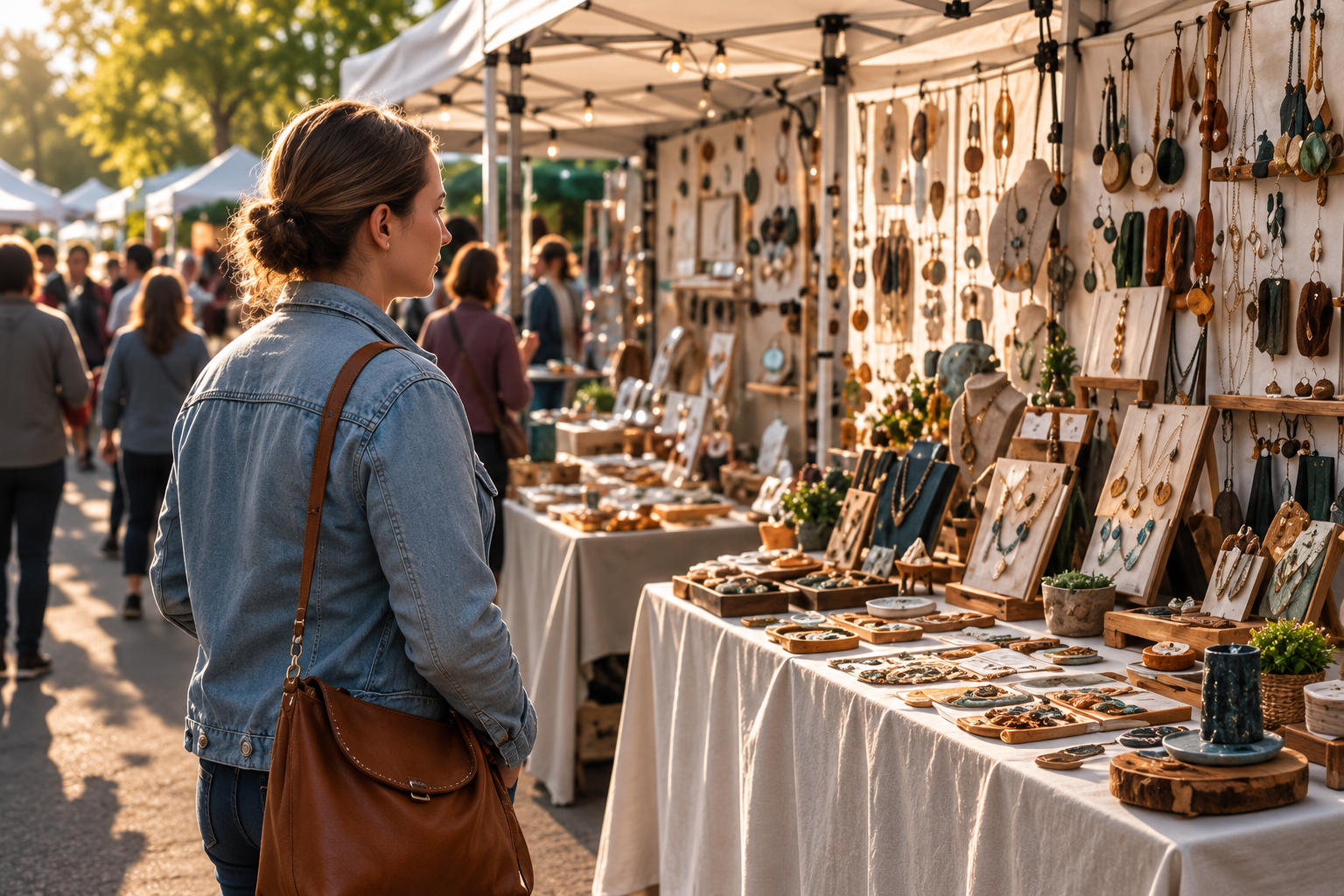
They look in, but their feet stay in the aisle.
They look across the booth
Their eyes move from place to place without their body following.

They lean toward something
They show interest without moving closer.
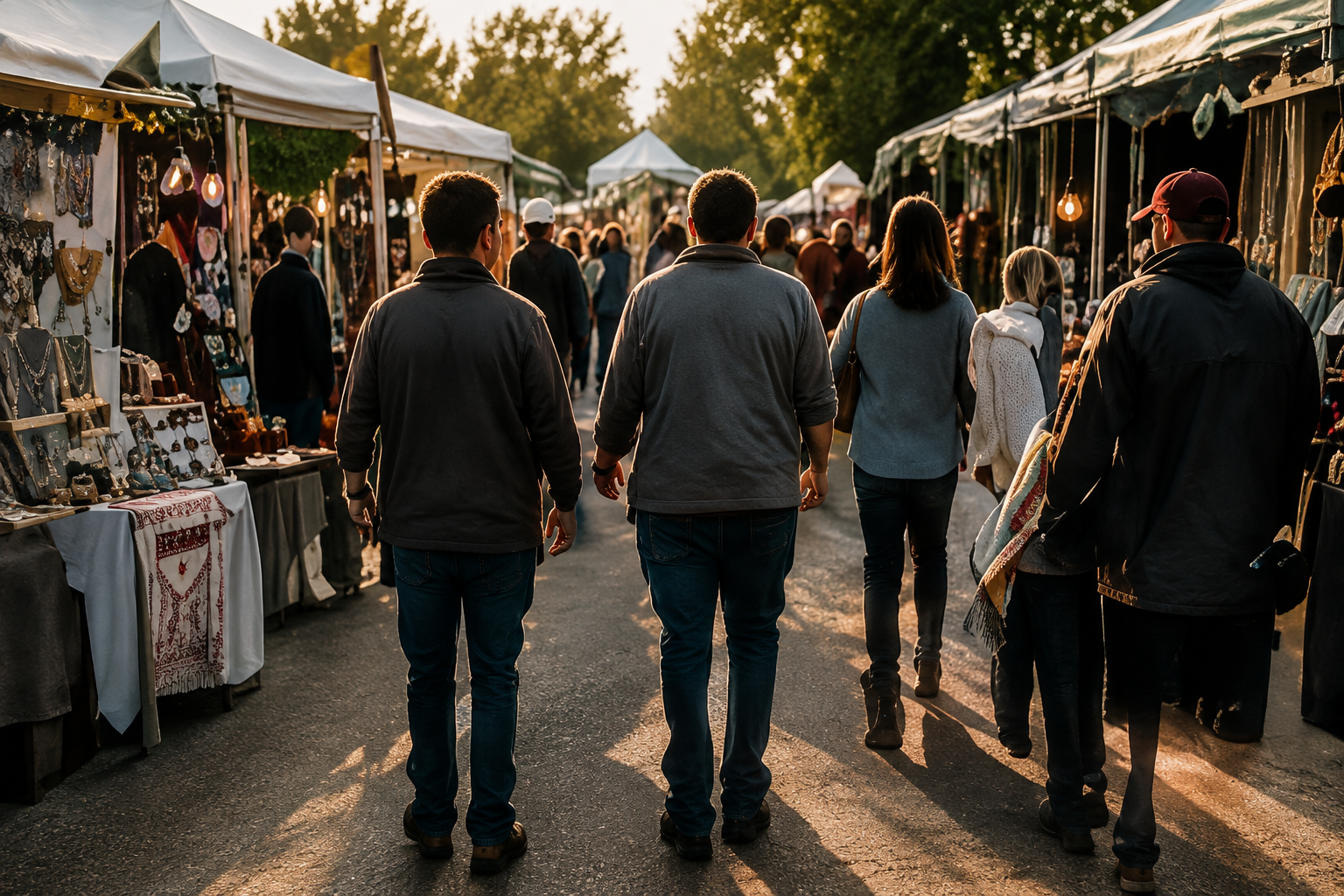
They pause, and continue walking
The booth held them briefly but the next movement never happened.
These can look like different shopper behaviors.
But they may be telling you the same thing:
The shopper hasn’t found an easy next step.
What Are They Asked to Decide?
Standing in the aisle, a shopper may be unconsciously trying to figure out:
Where do I enter?
Where am I supposed to stand?
Which way do I go?
What should I look at first?
Am I going to be in the way if I step inside?
—
None of those decisions feels particularly difficult.
But shoppers aren't standing in the aisle trying to solve your booth.
If the next step requires thought, staying in the aisle is easier.
Before You Move Anything, Watch
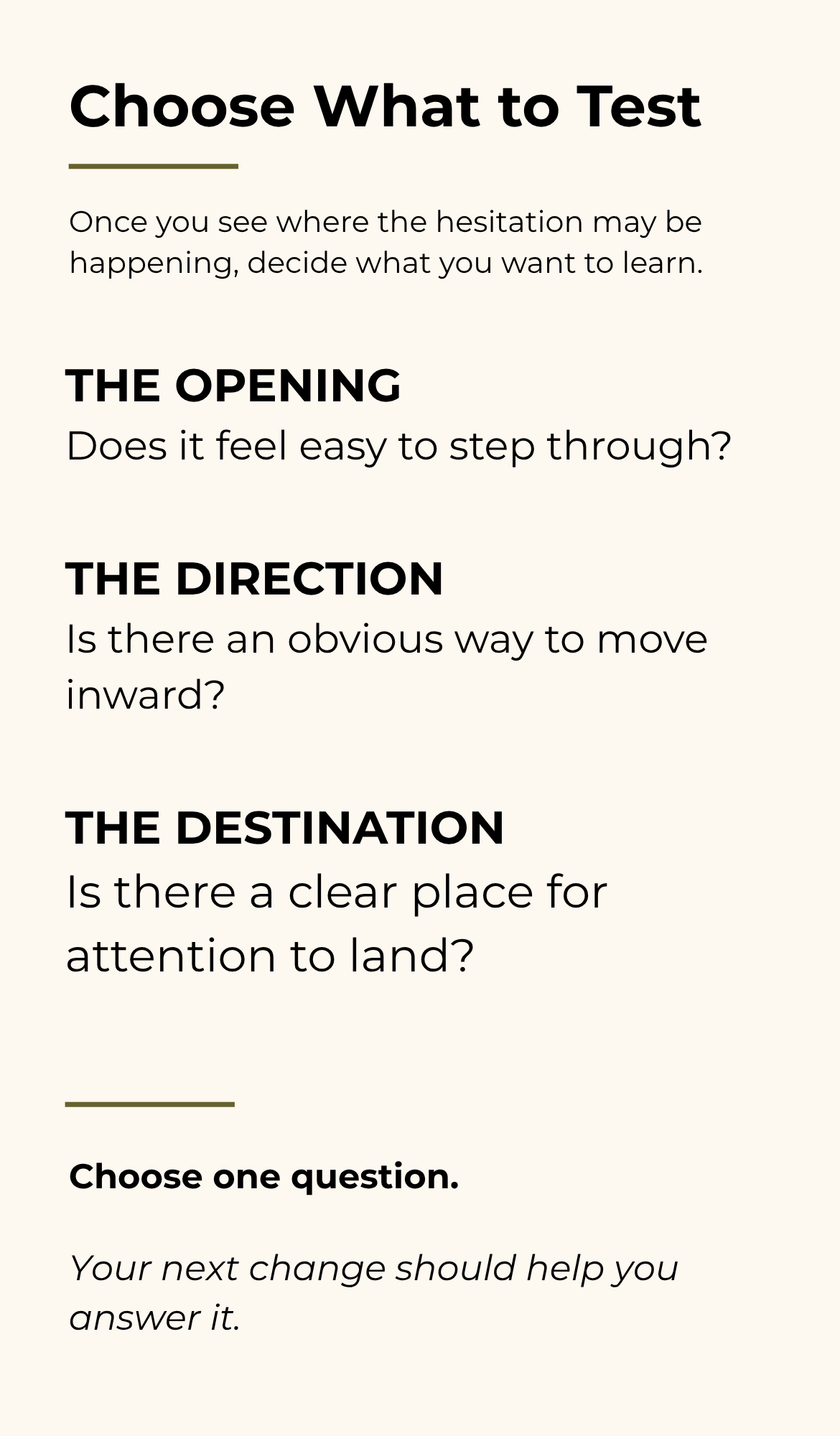
At your next show, don't begin by changing the booth.
Watch the edge of it.
—
Notice where shoppers slow down.
Notice where they're standing when they do.
Notice what they're looking toward.
Notice whether they approach one side more often than another.
Notice whether several people hesitate in roughly the same place.
—
You aren't looking for one shopper to prove something.
You're looking for repetition.
Change One Thing
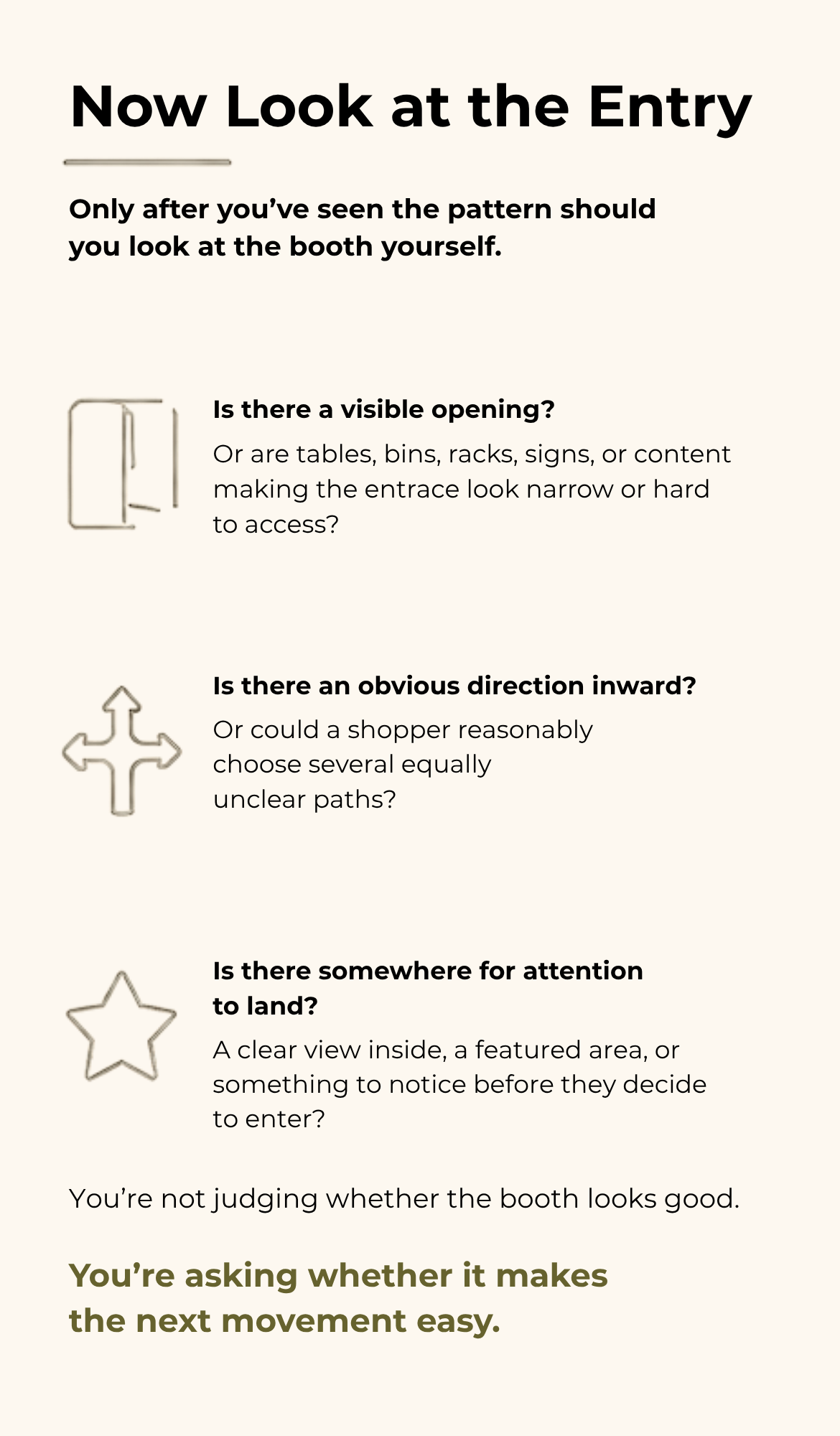
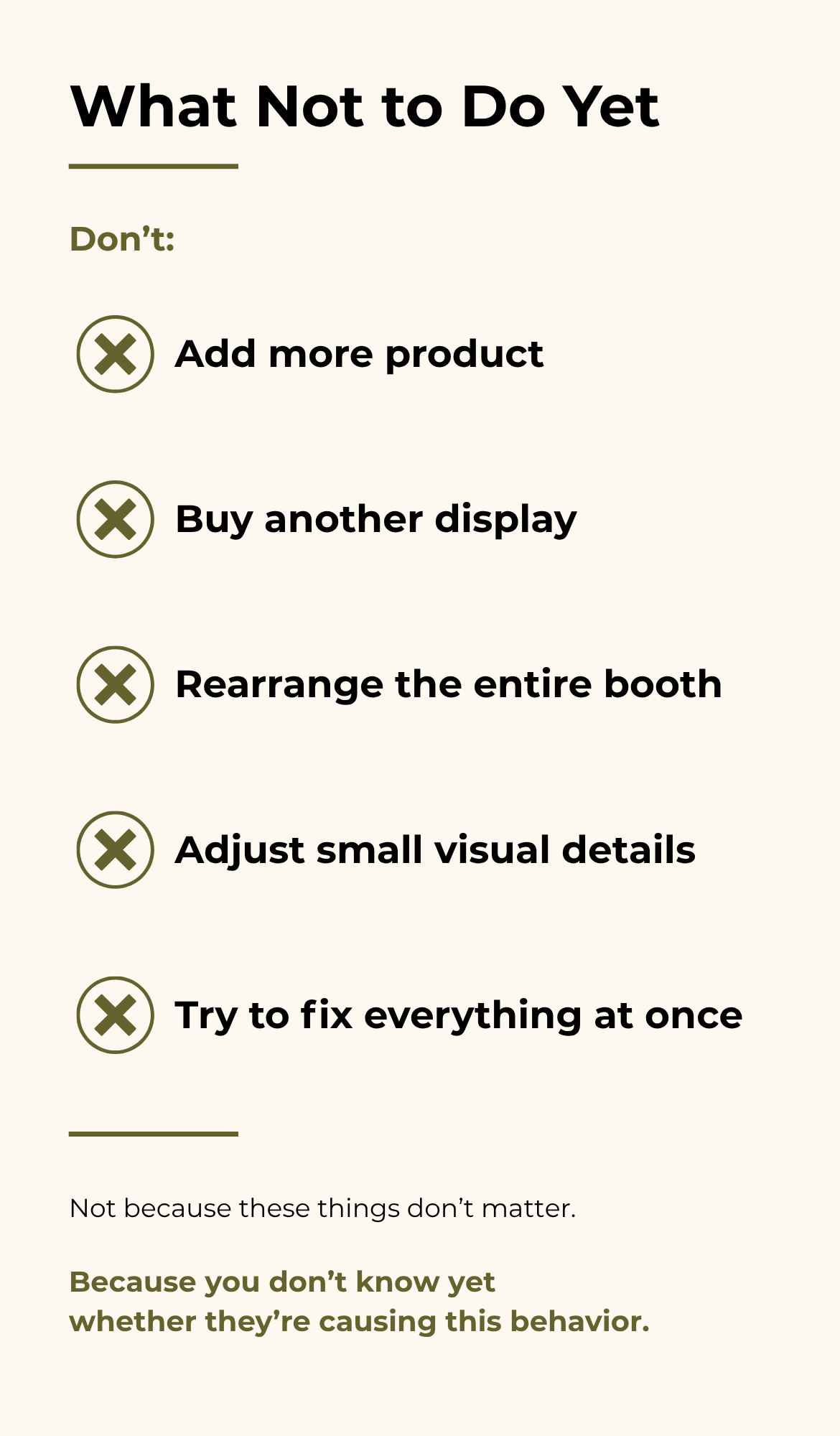
Once you have a reasonable idea of where the hesitation is happening, make the smallest change that tests it.
Maybe you:
move one table back
clear one side of the entrance
remove one object from the approach
give the shopper one stronger visual destination
open one clearer path inward
—
Then stop changing things.
Let shoppers tell you whether it mattered.
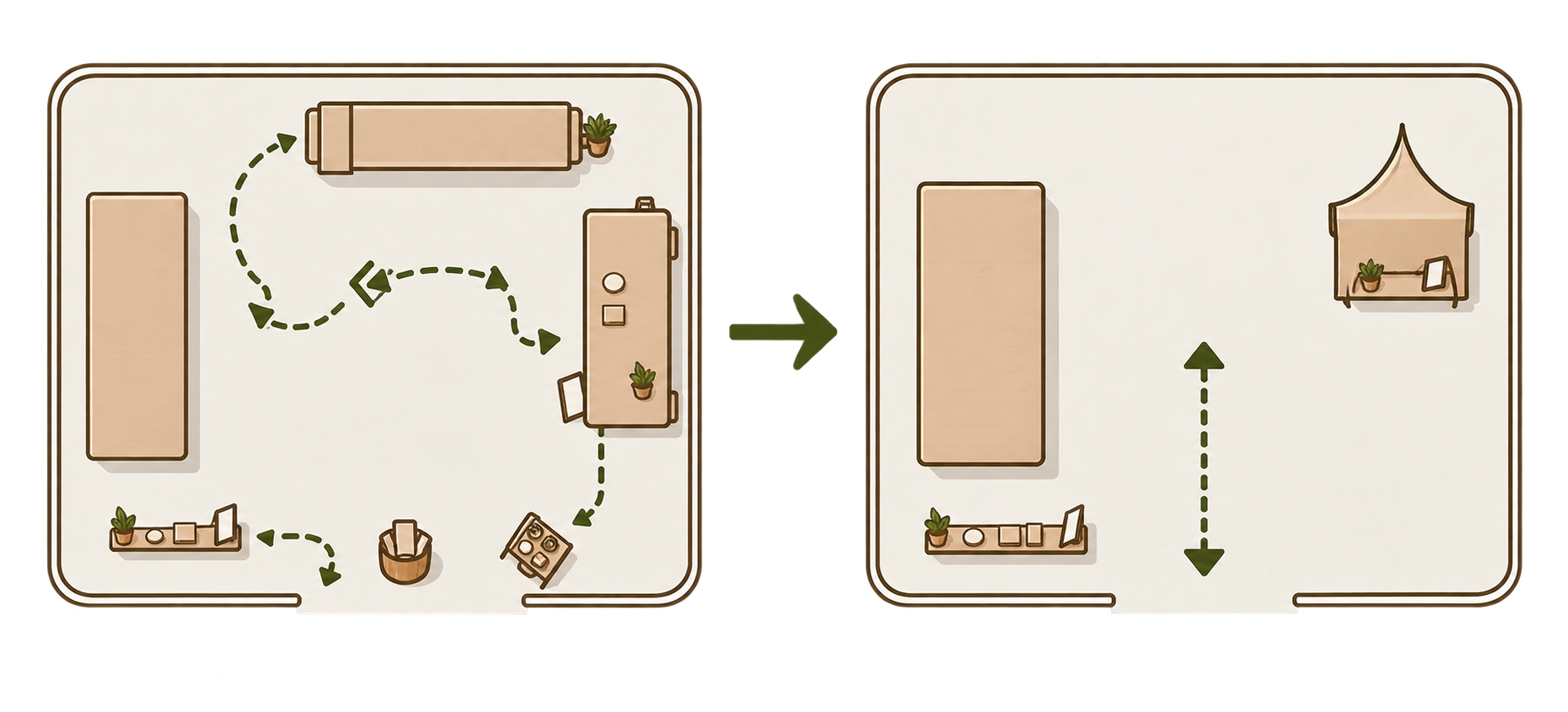
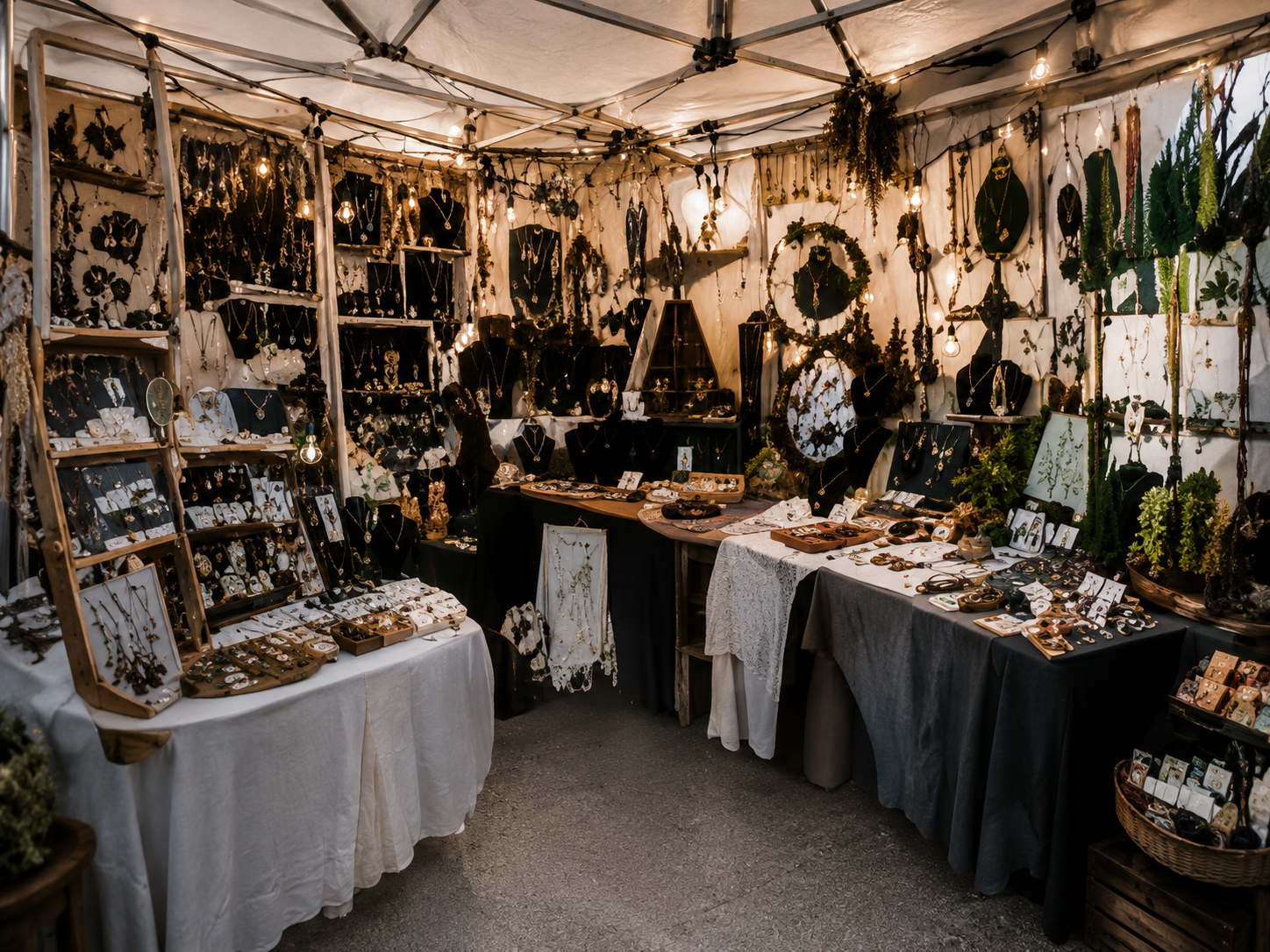
Before the test
After one change
The goal isn't to create the perfect layout.
It's to make the next shopper decision easier.
What Changes
If the behavior changes, you’ve learned something.
If it doesn’t, you’ve learned something too.
Either way, you now have more than a guess.
If You Want to Work Through What You Notice
When Something Feels Off helps you look more closely at what shoppers may be reacting to before they ever step inside — so you can identify what may be holding your booth back before deciding what to change.