Explore guides, booth strategies, planning resources, and practical tools designed to help makers create clearer displays, stronger customer experiences, and more intentional businesses.
Resources for Makers Building With Intention
A place to understand what’s happening in your business—and what to focus on next.
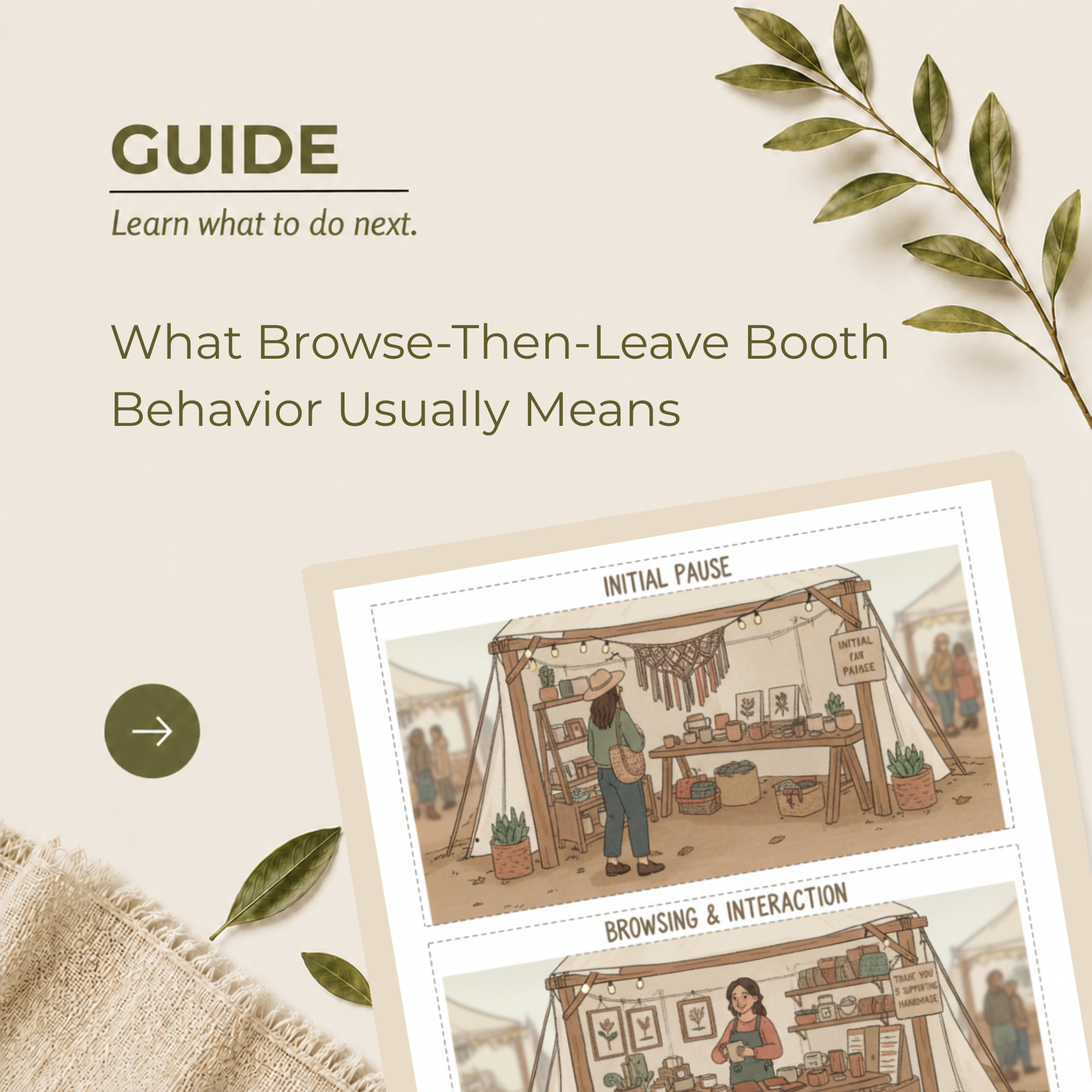
Shoppers Slow Down But Don’t Enter
✳︎
Clearer Booth Flow
✳︎
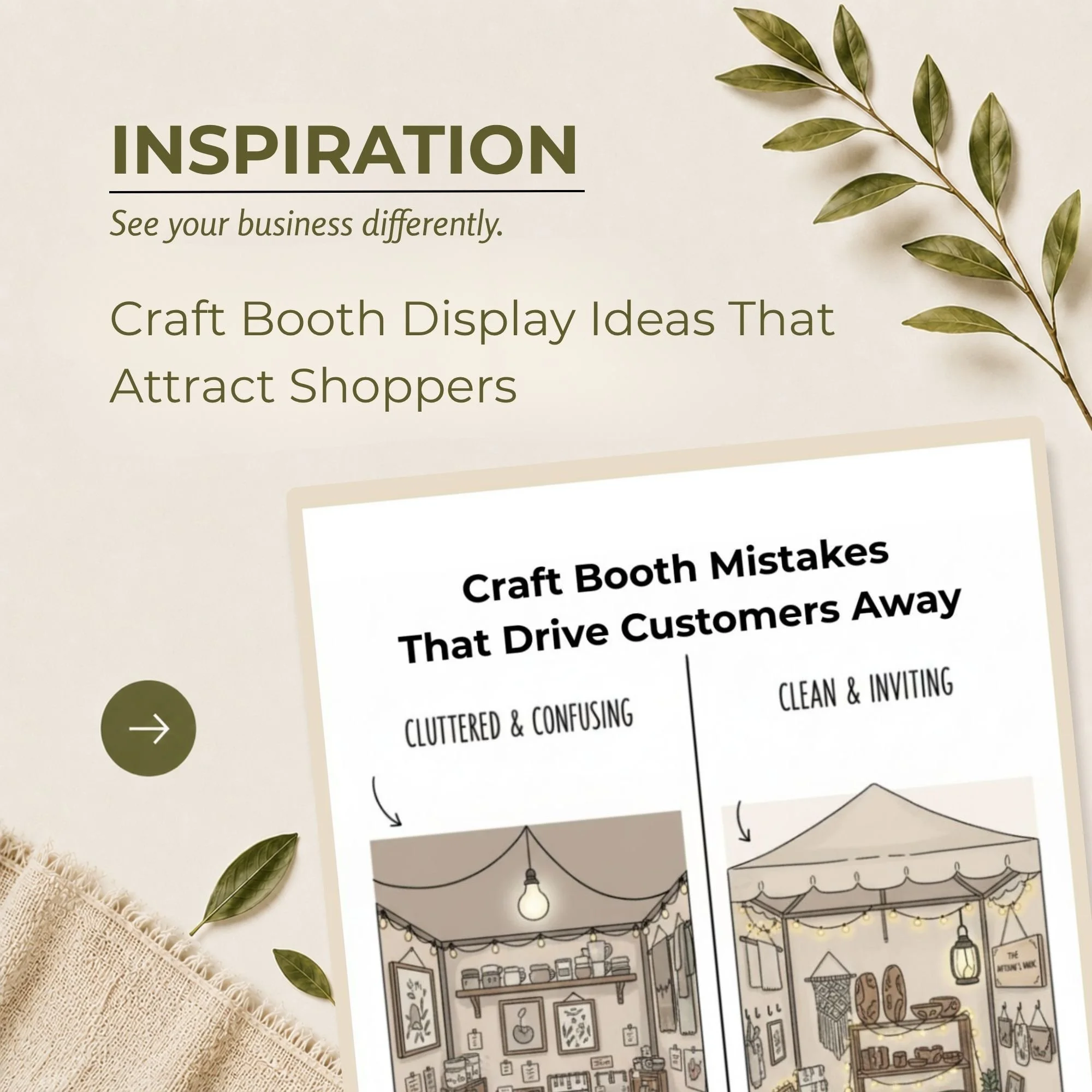
Displays That Feel Overwhelming
✳︎
Finding What to Fix First
✳︎
Customers Browse Without Buying
✳︎
More Intentional Vendor Setups
✳︎
What Shoppers Notice First
✳︎
Booth Layouts That Guide Attention
✳︎
Why Products Get Ignored
✳︎
Visibility for Makers
✳︎
Shoppers Slow Down But Don’t Enter ✳︎ Clearer Booth Flow ✳︎ Displays That Feel Overwhelming ✳︎ Finding What to Fix First ✳︎ Customers Browse Without Buying ✳︎ More Intentional Vendor Setups ✳︎ What Shoppers Notice First ✳︎ Booth Layouts That Guide Attention ✳︎ Why Products Get Ignored ✳︎ Visibility for Makers ✳︎
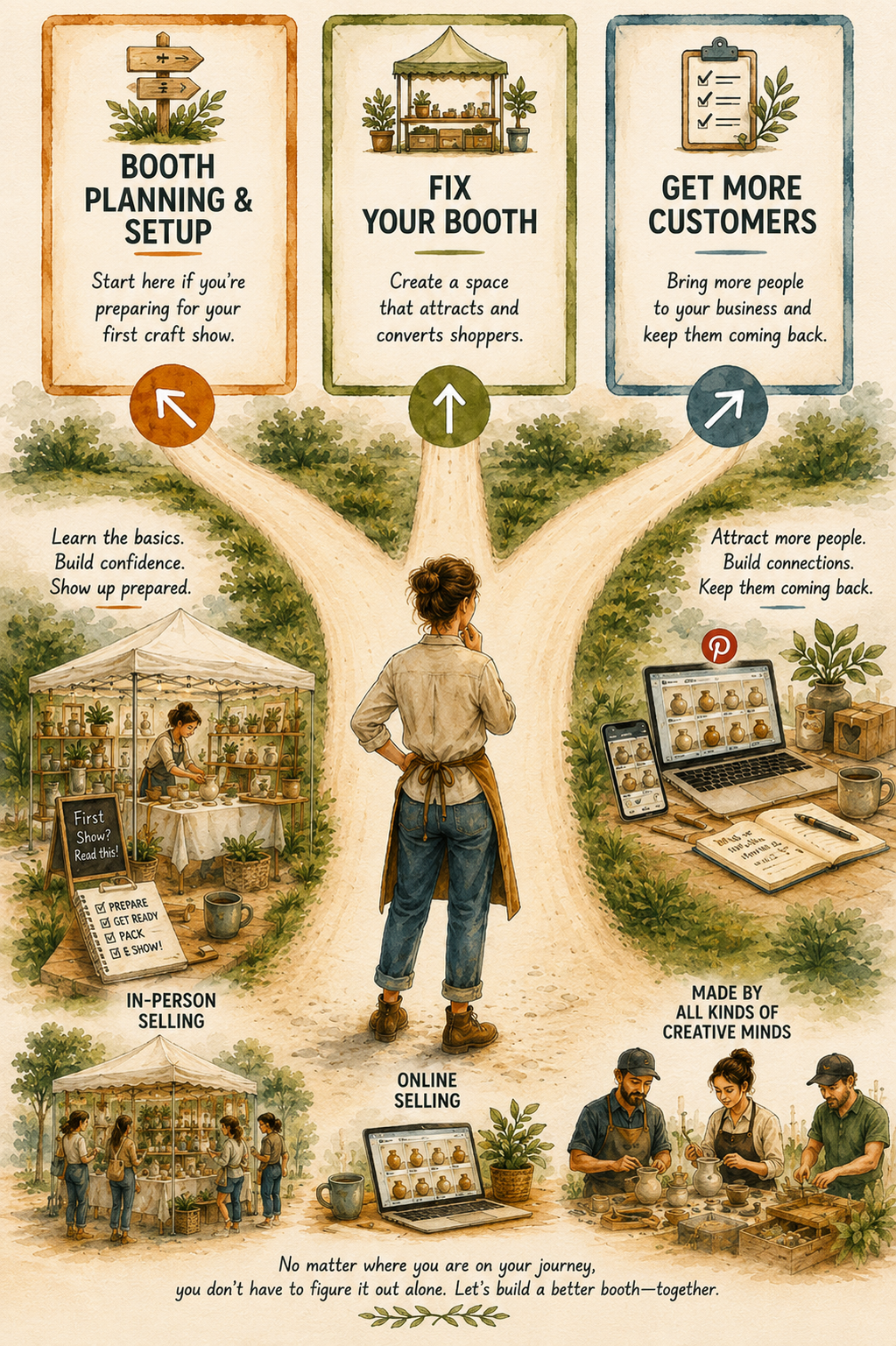
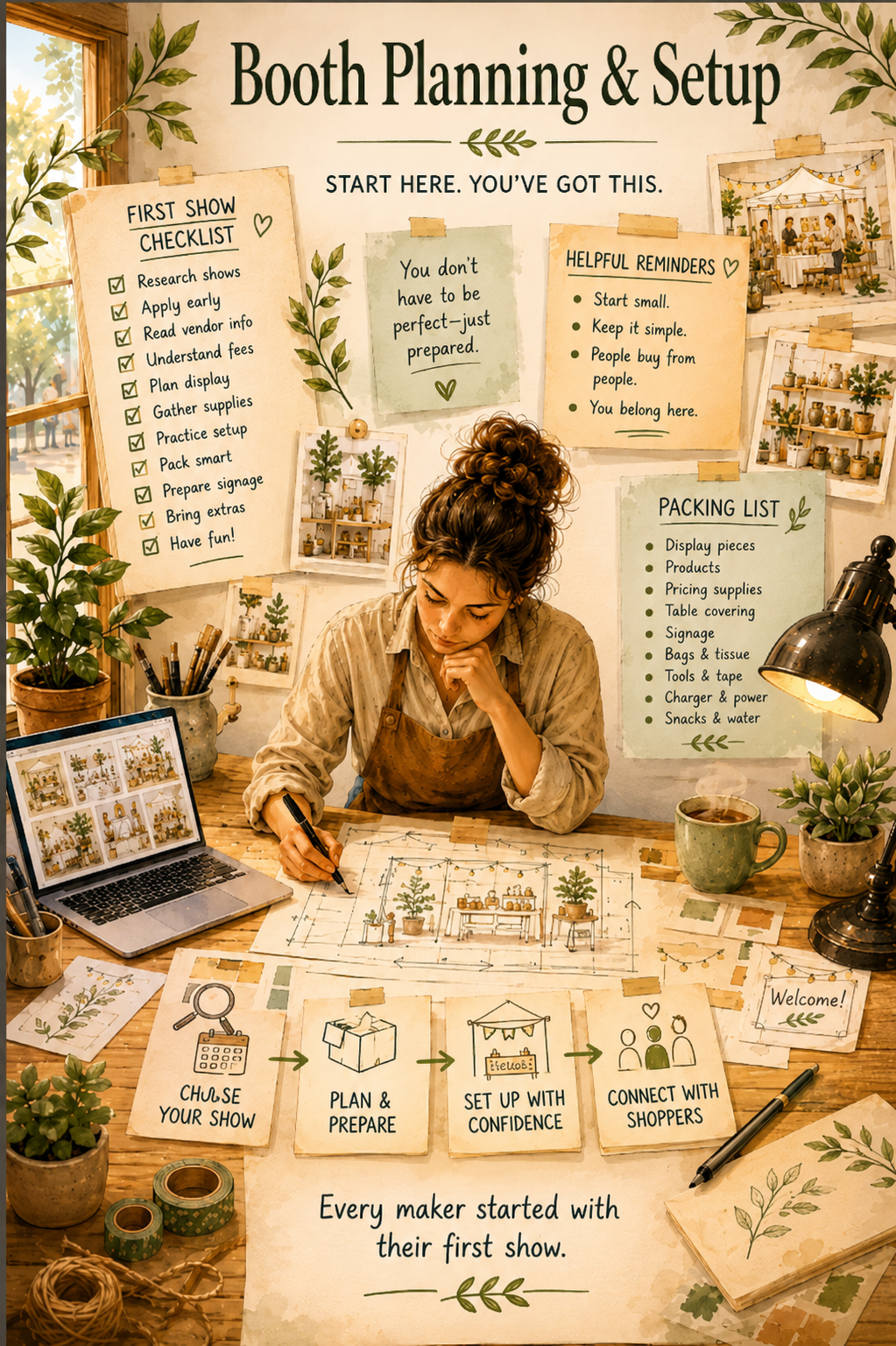
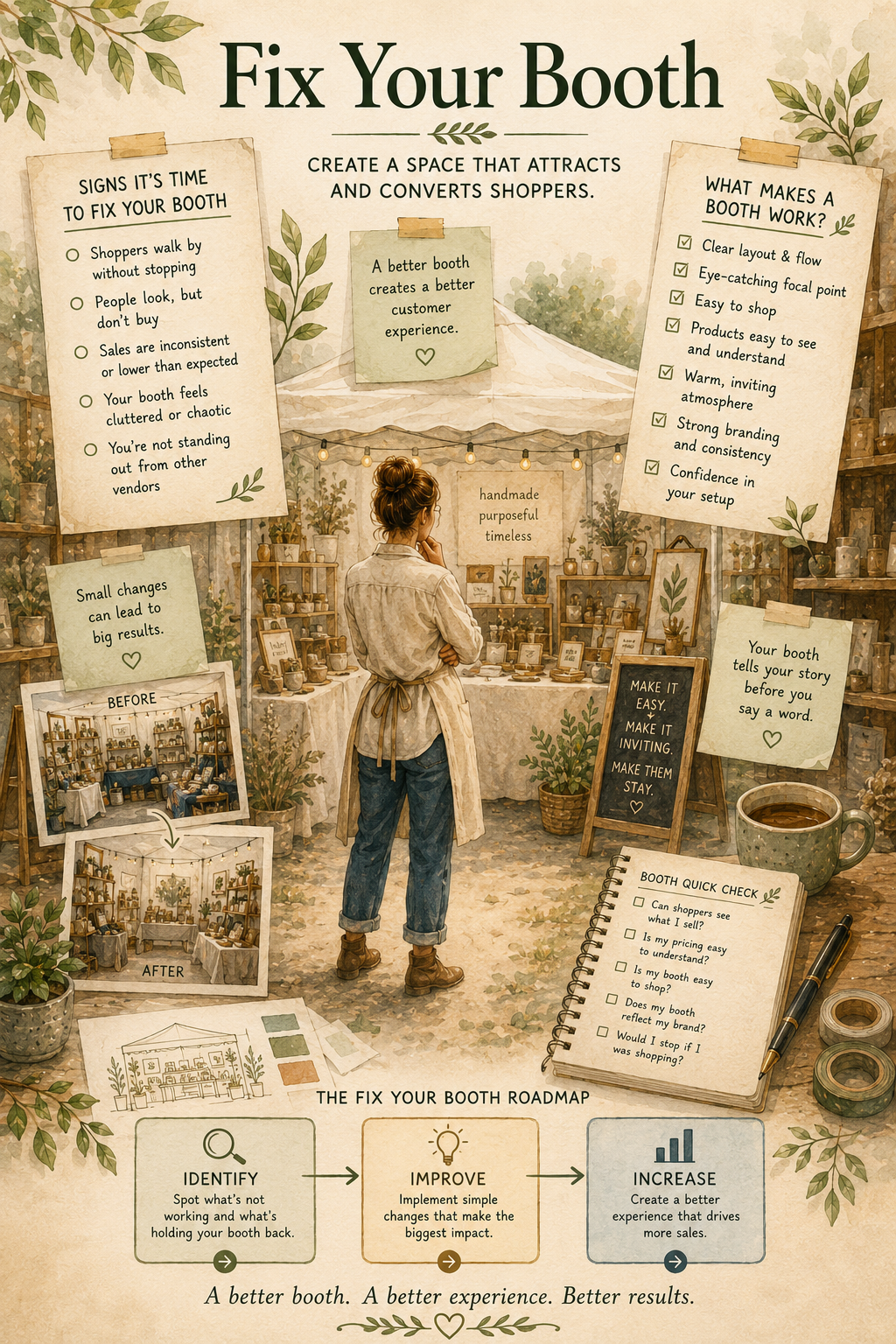
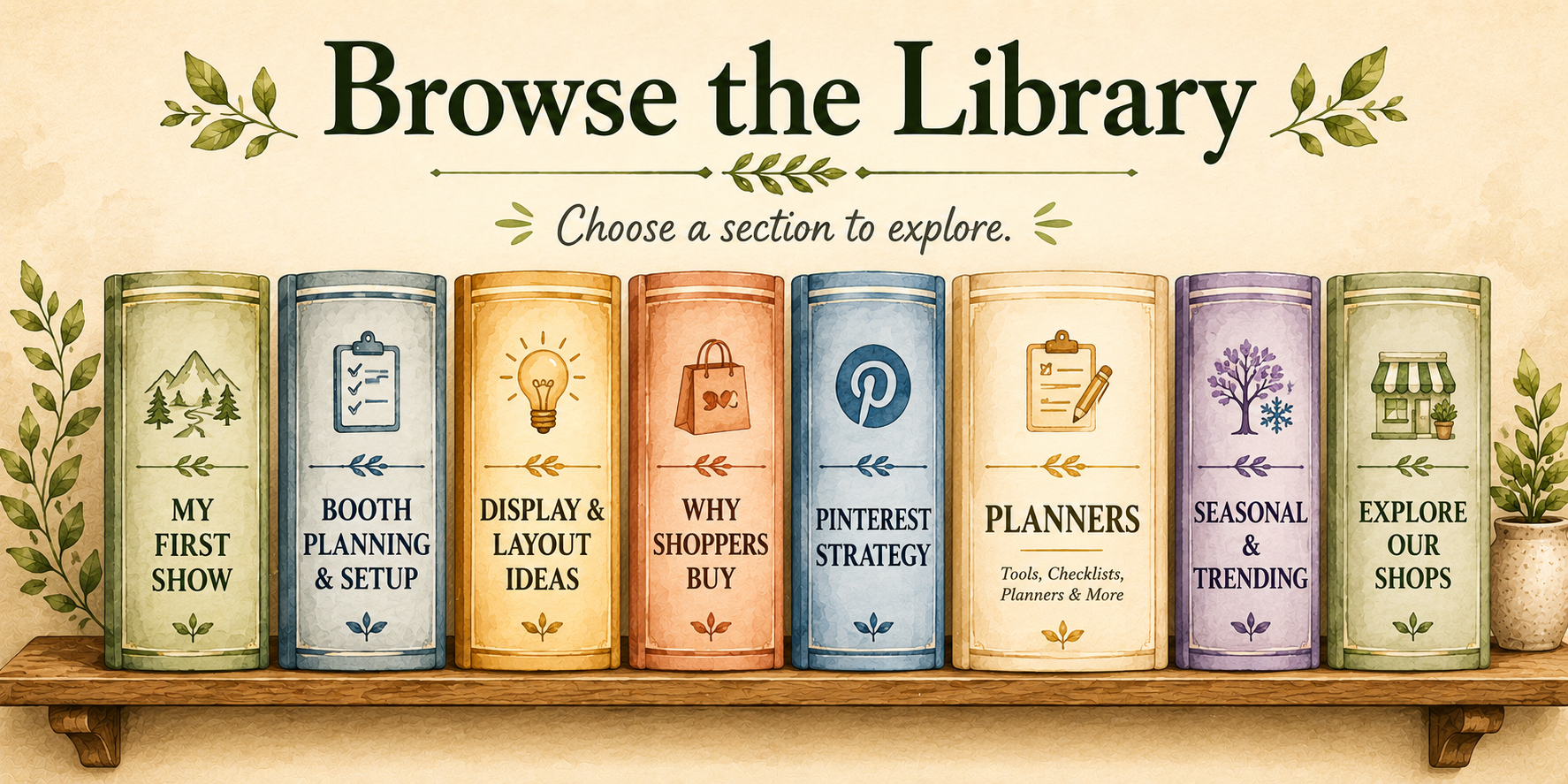
Choose a topic below to jump directly to that section.
My First Show
Everything you need to prepare for your first craft show.
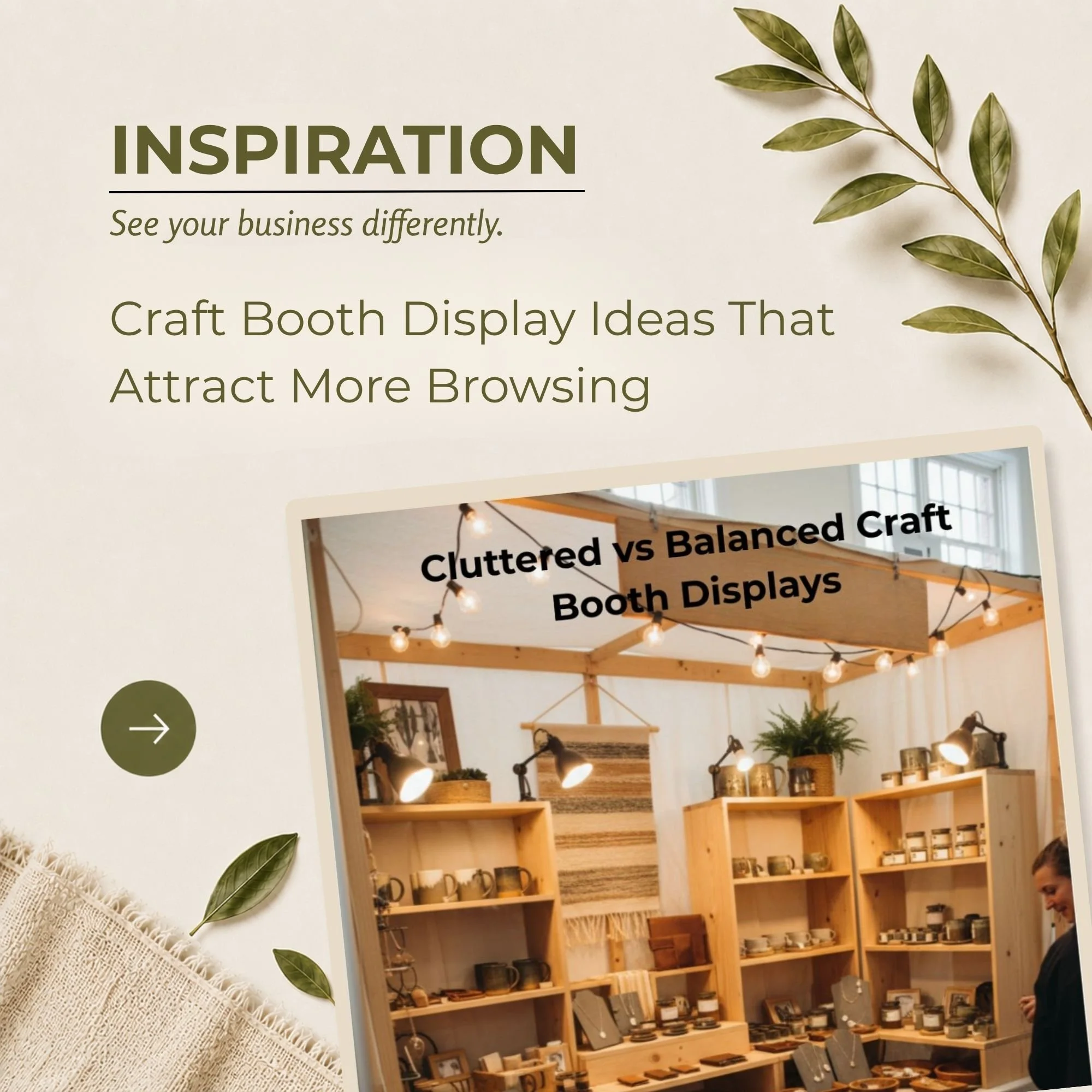
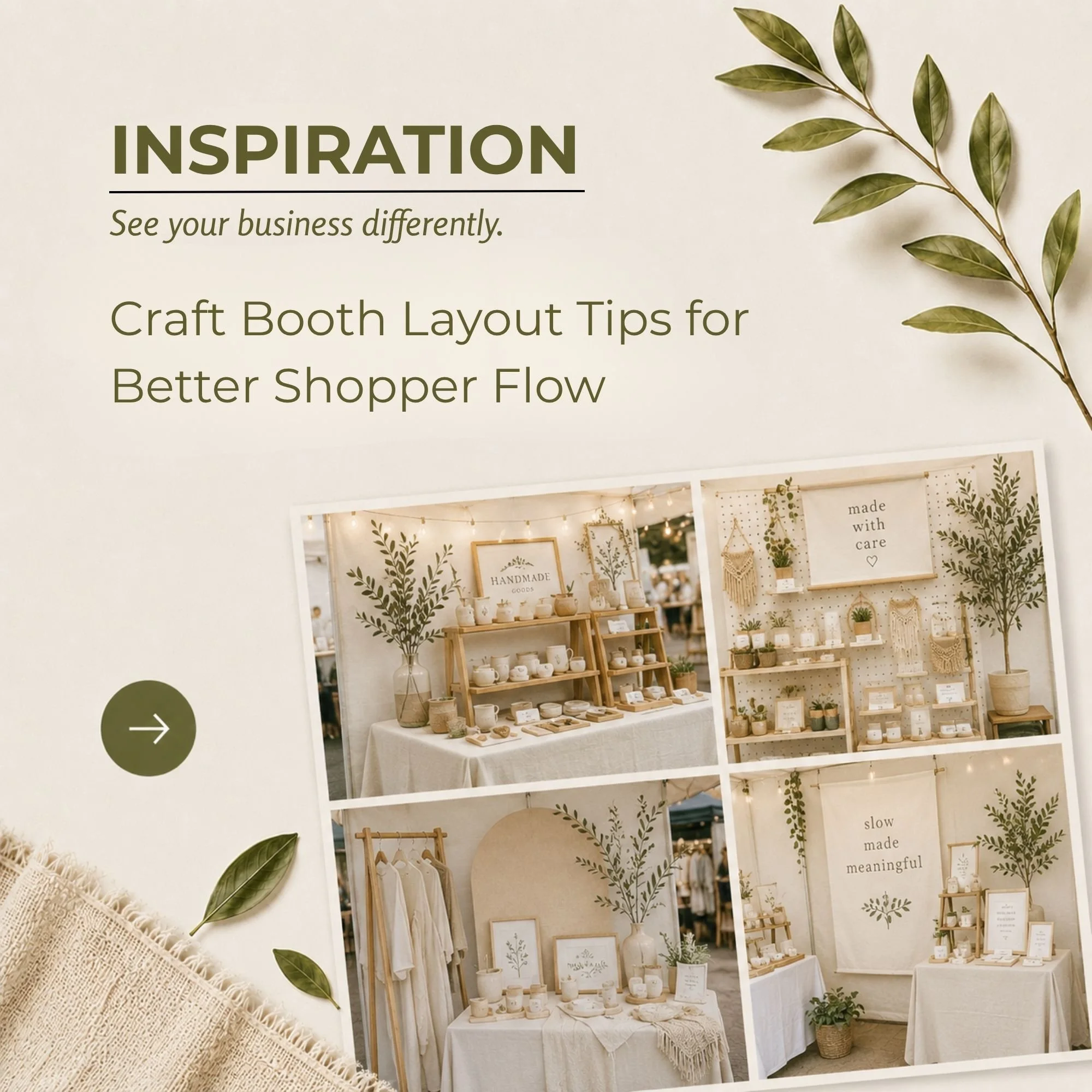
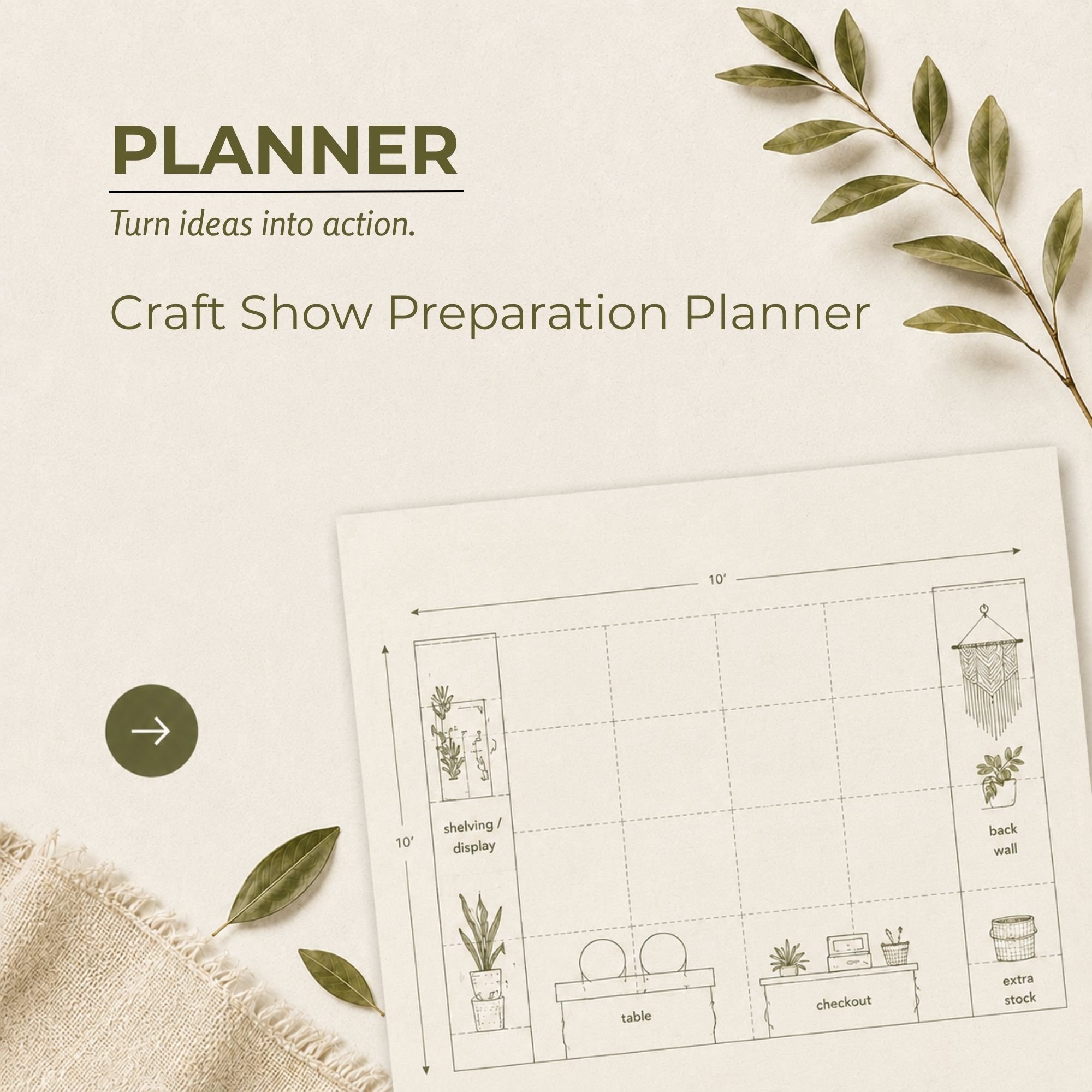
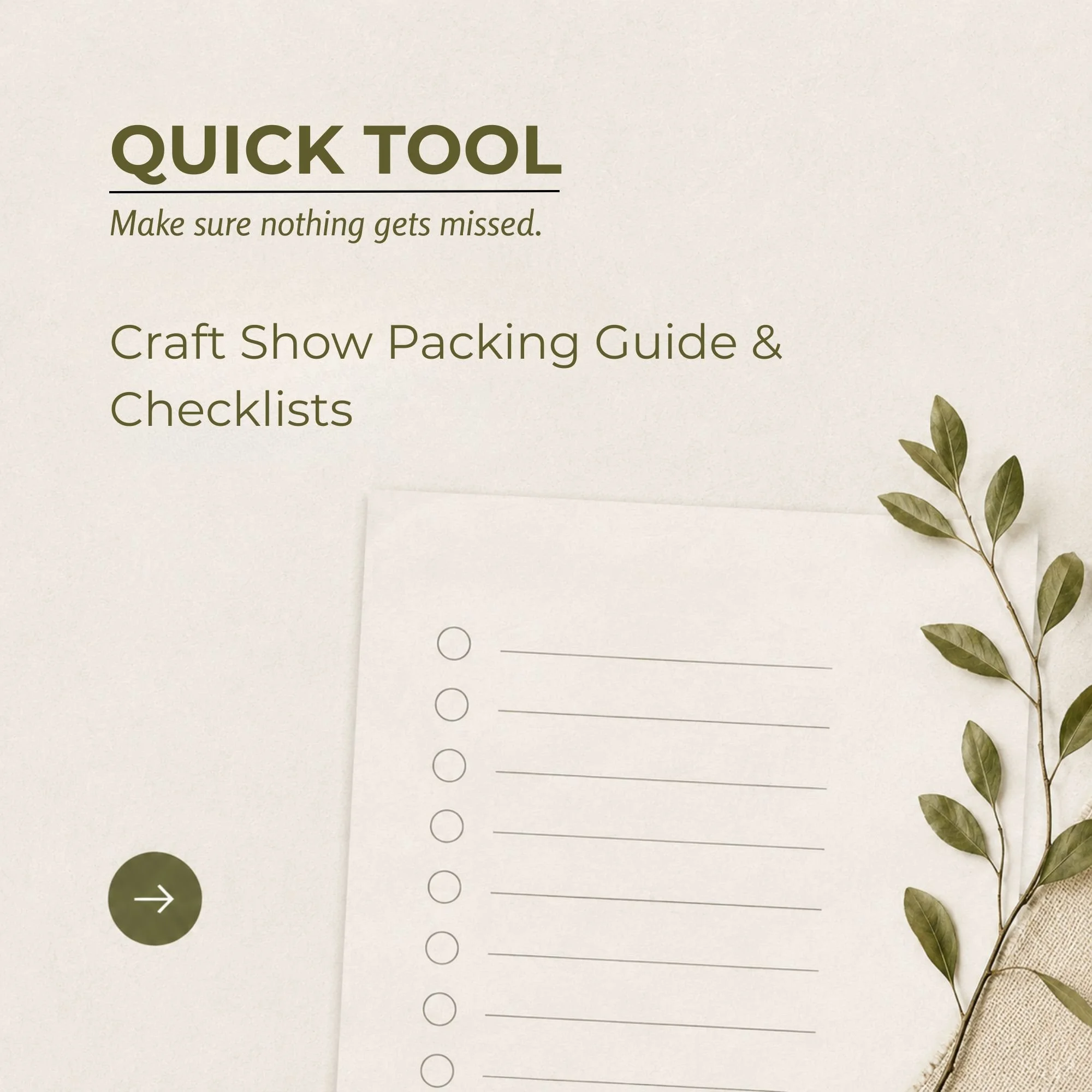
Booth Setup & Planning
Prepare, pack, and set up your booth with confidence.
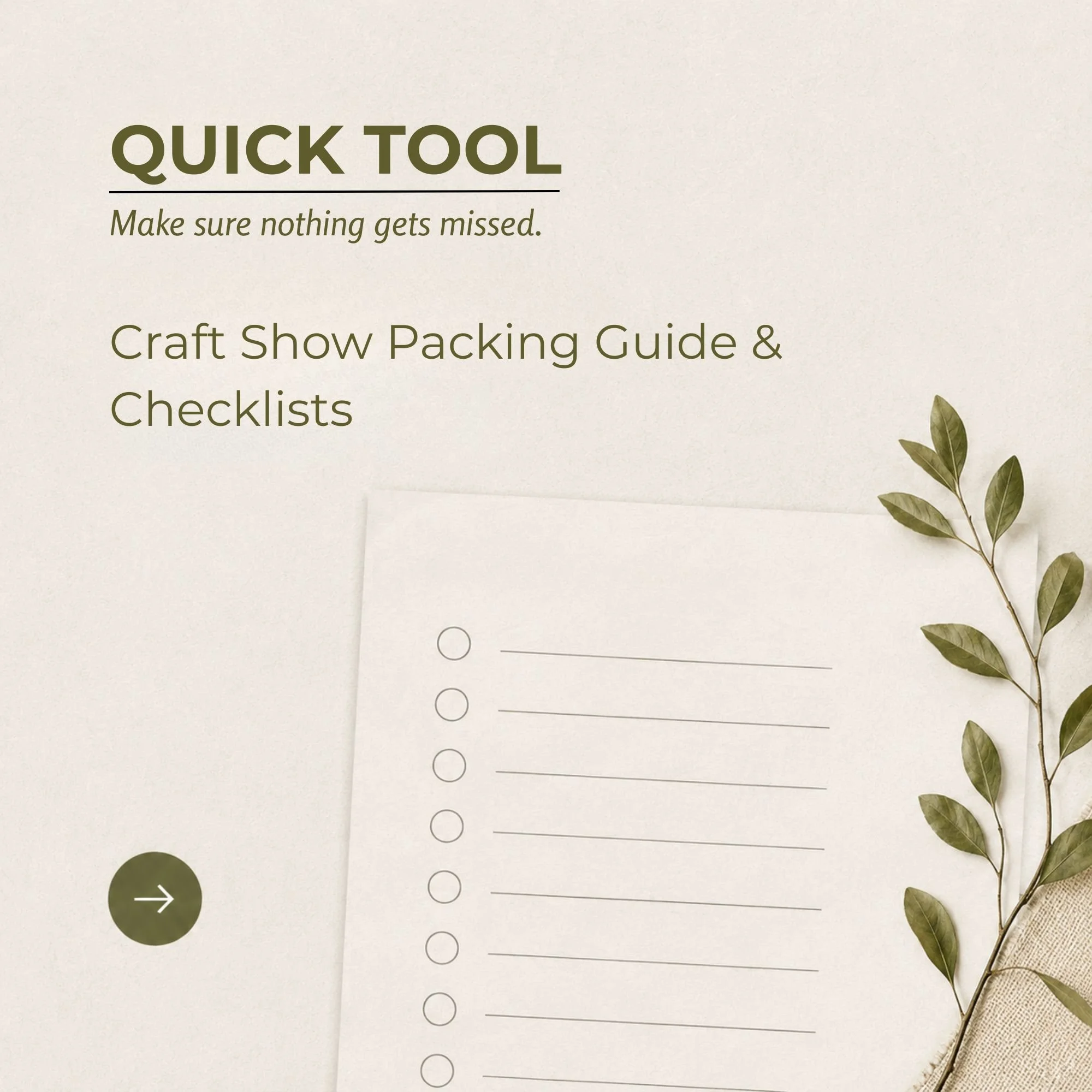
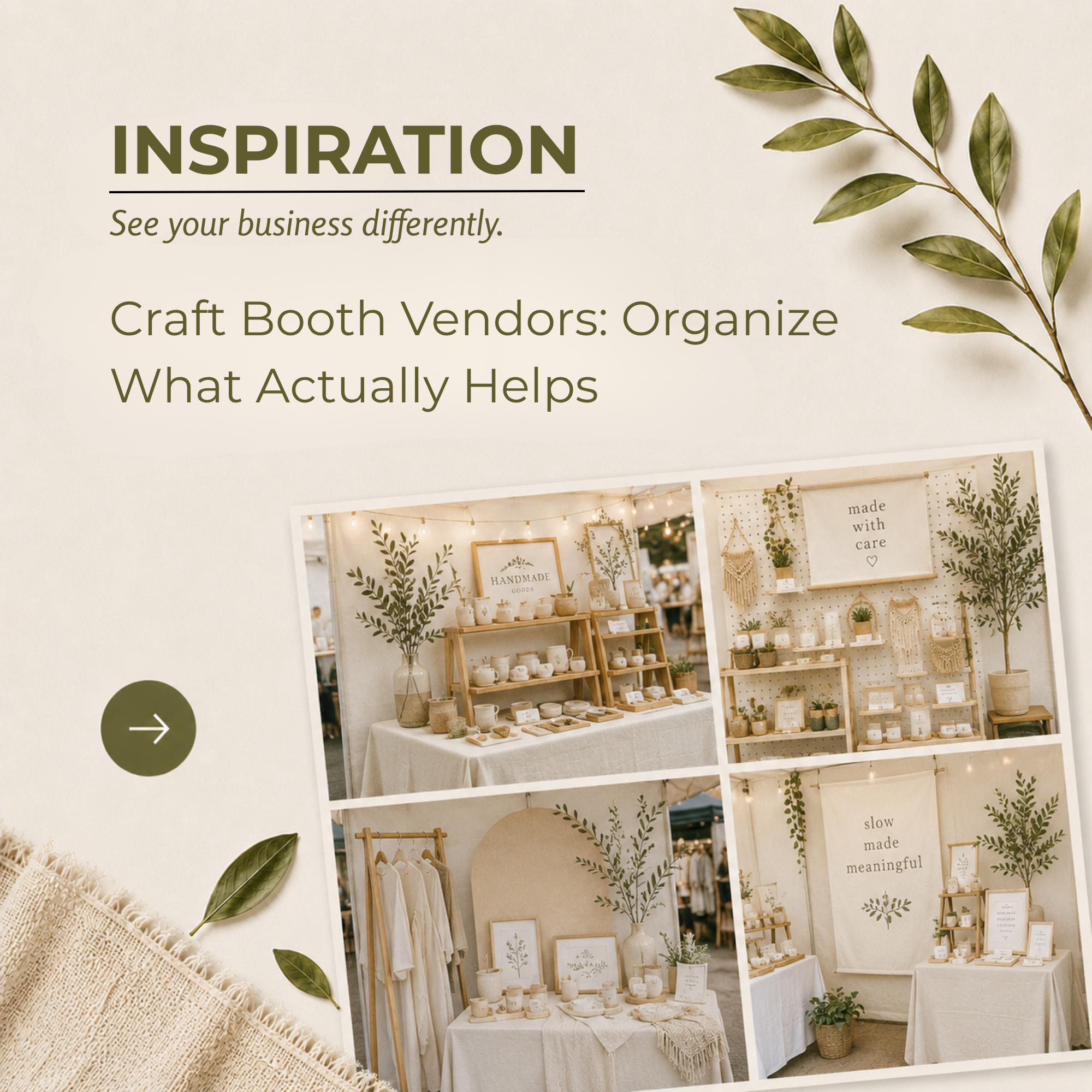
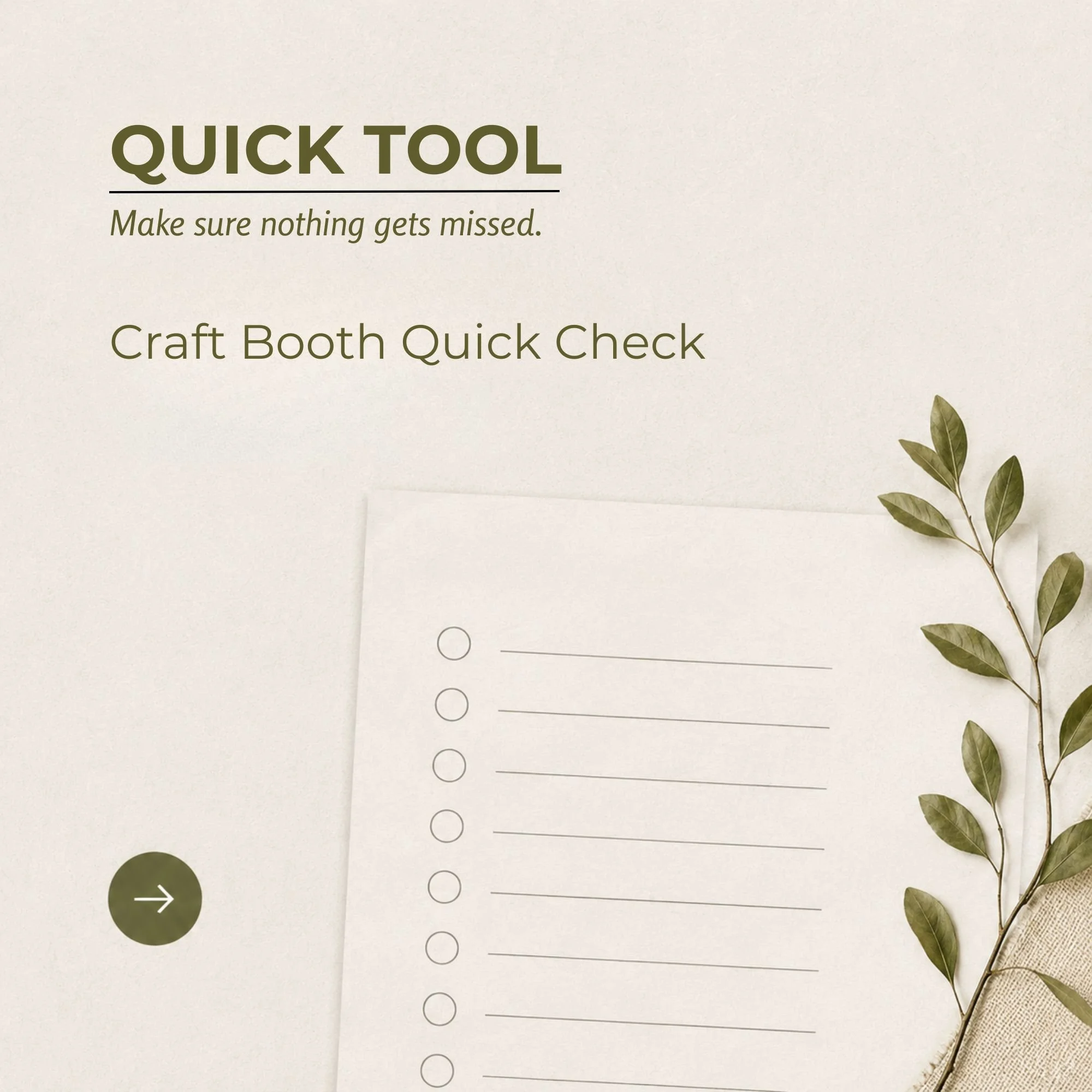
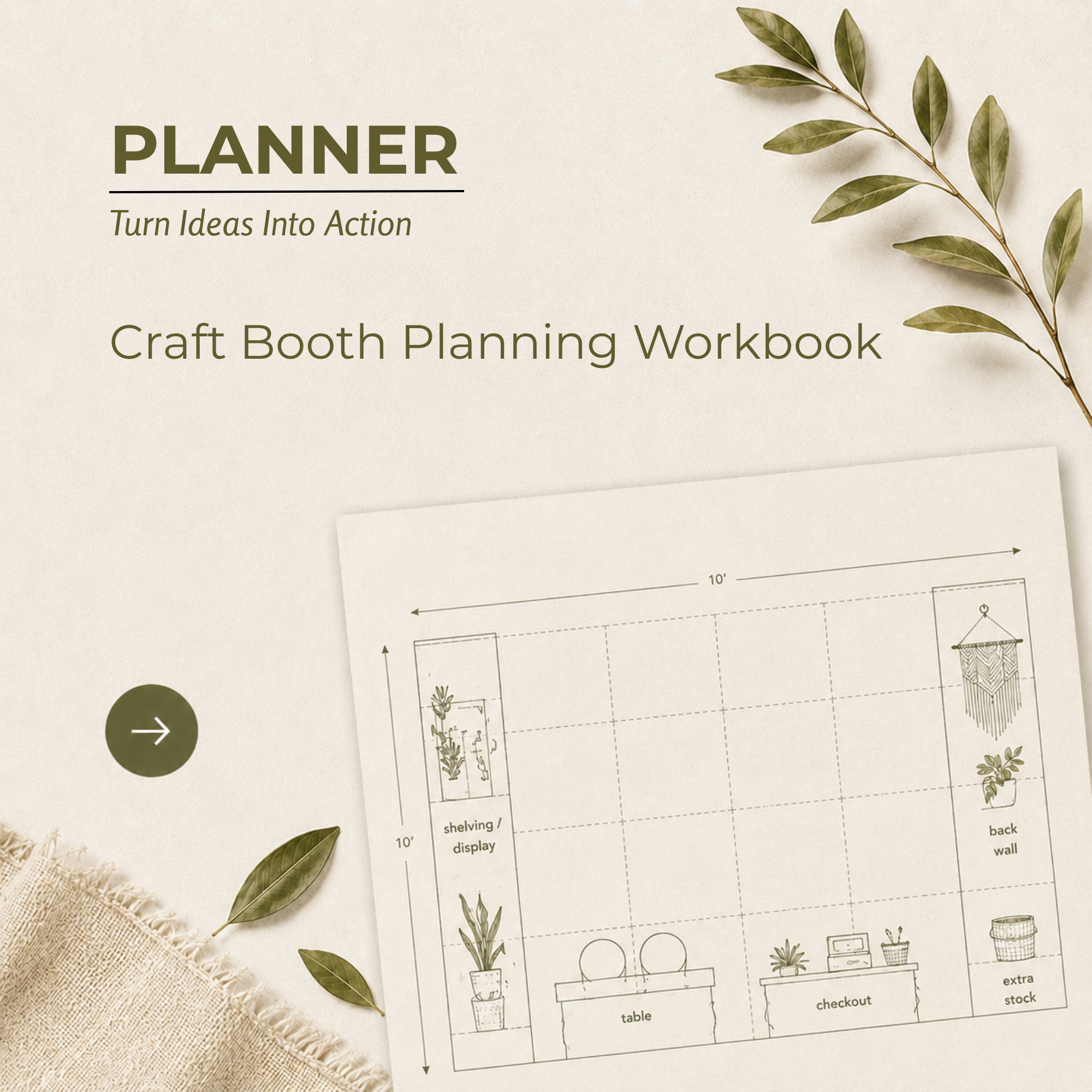
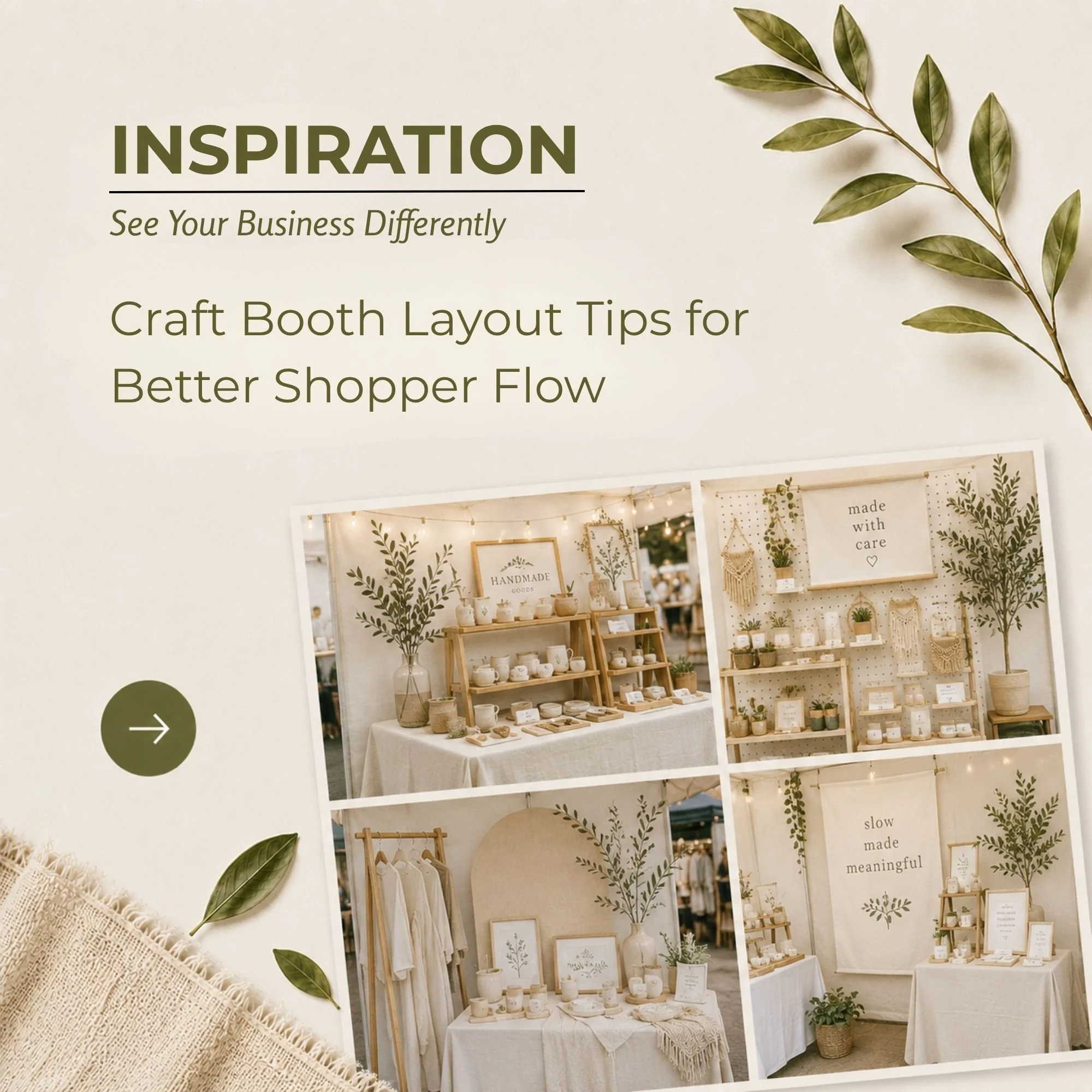
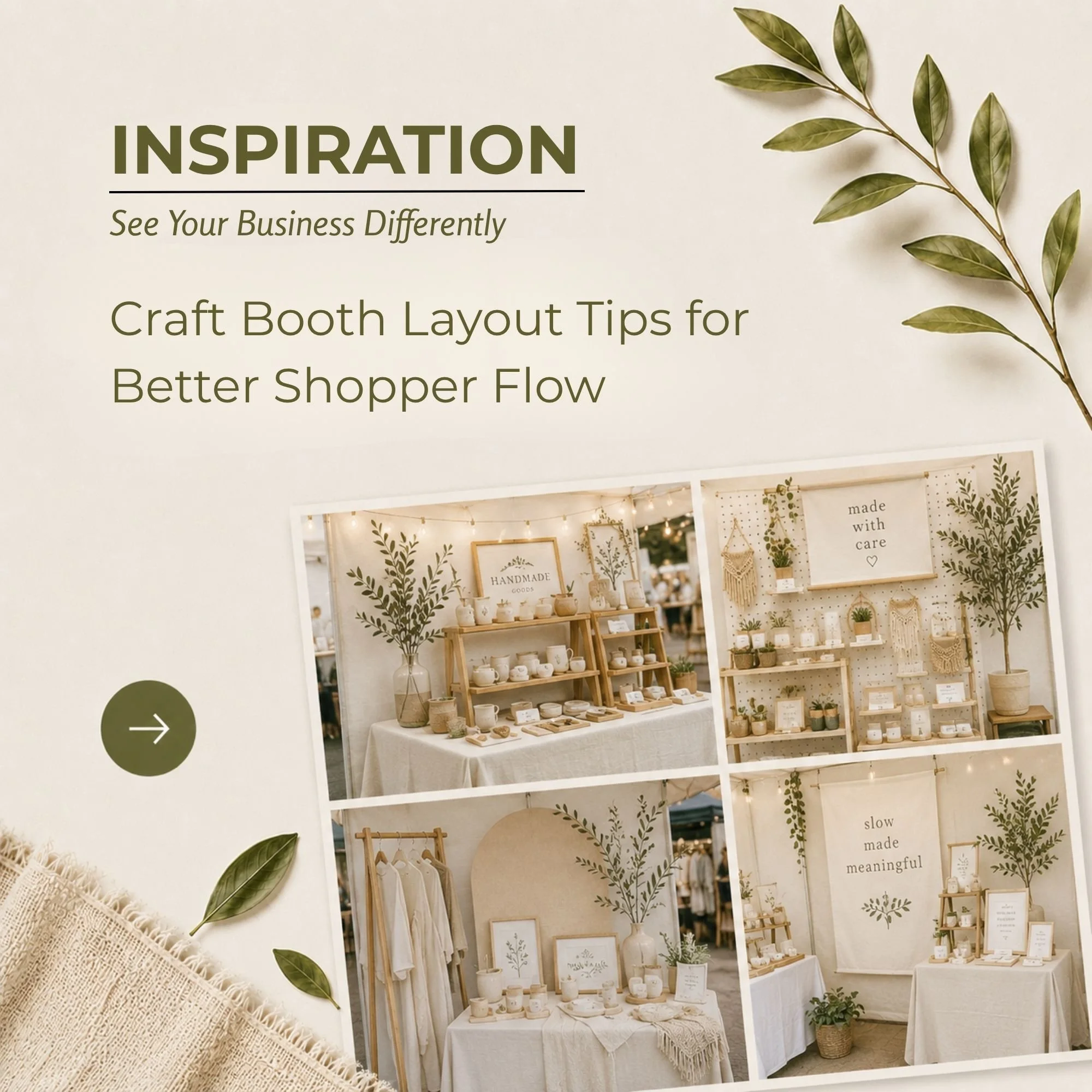
Display & Layout Ideas
Layouts, focal points, and booth inspiration that help shoppers slow down and explore.
Why Shoppers Buy
Understand what attracts attention, builds trust, and encourages purchases.
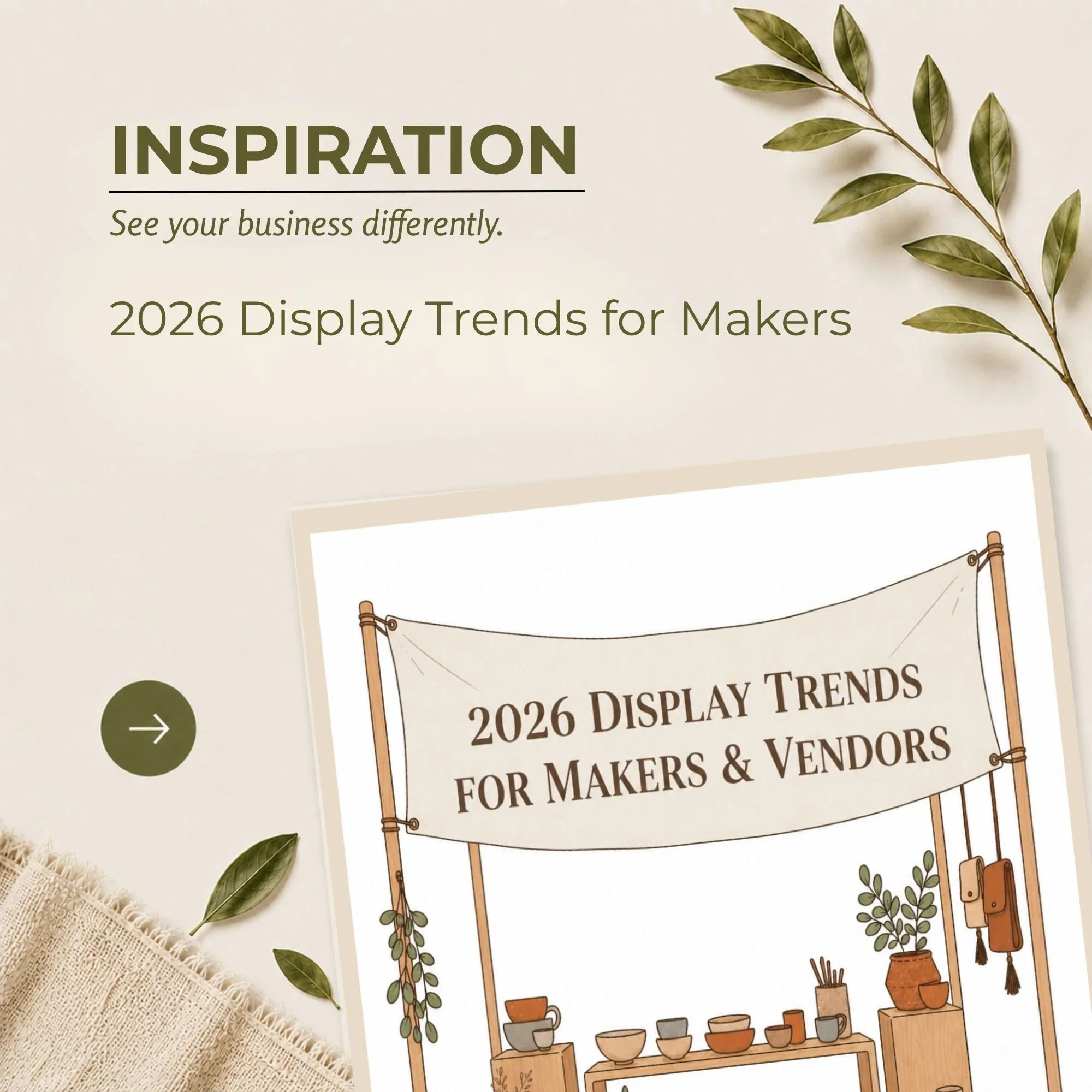
Pinterest Strategy
Browse some of the most visited resources discovered through Pinterest.
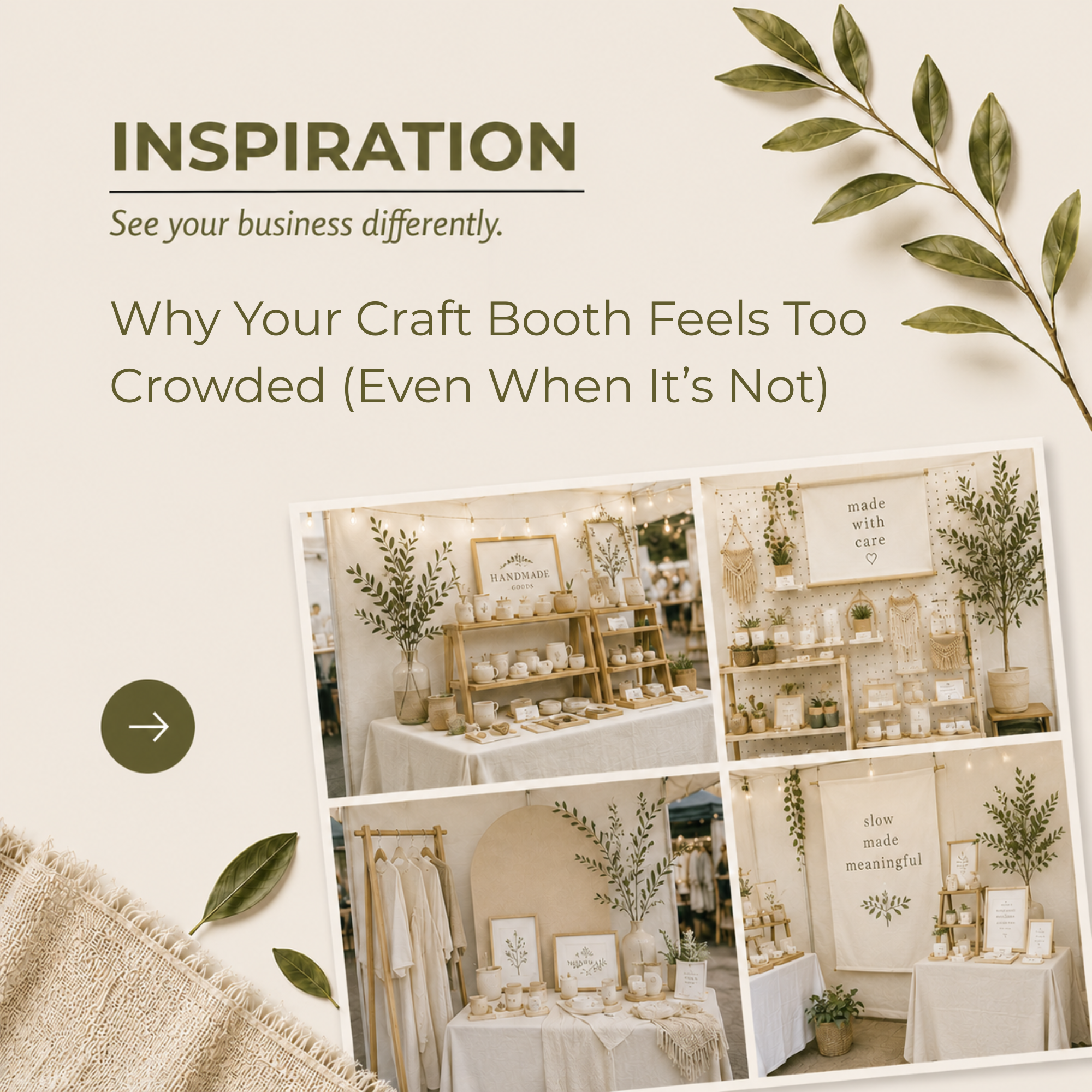
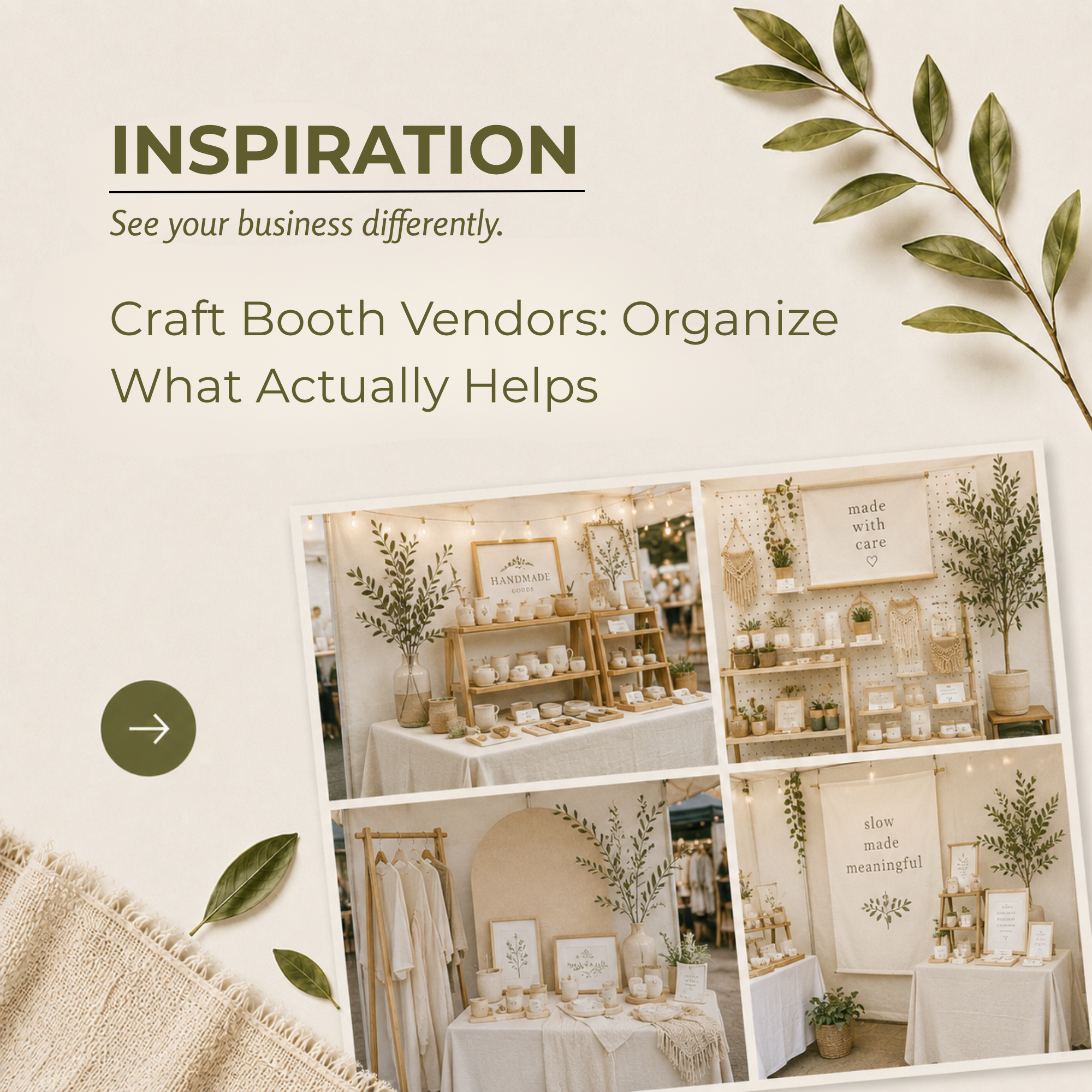
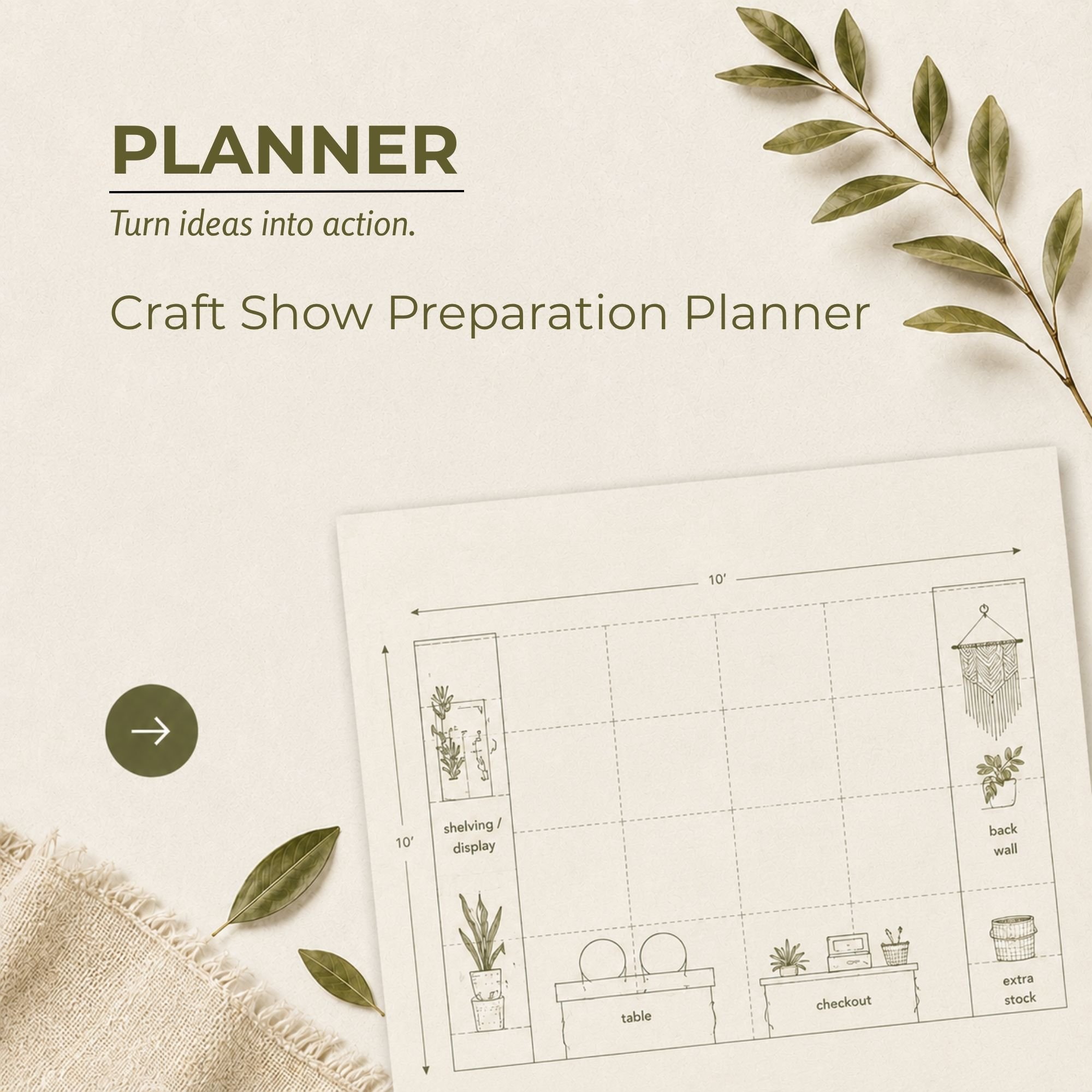
Planners
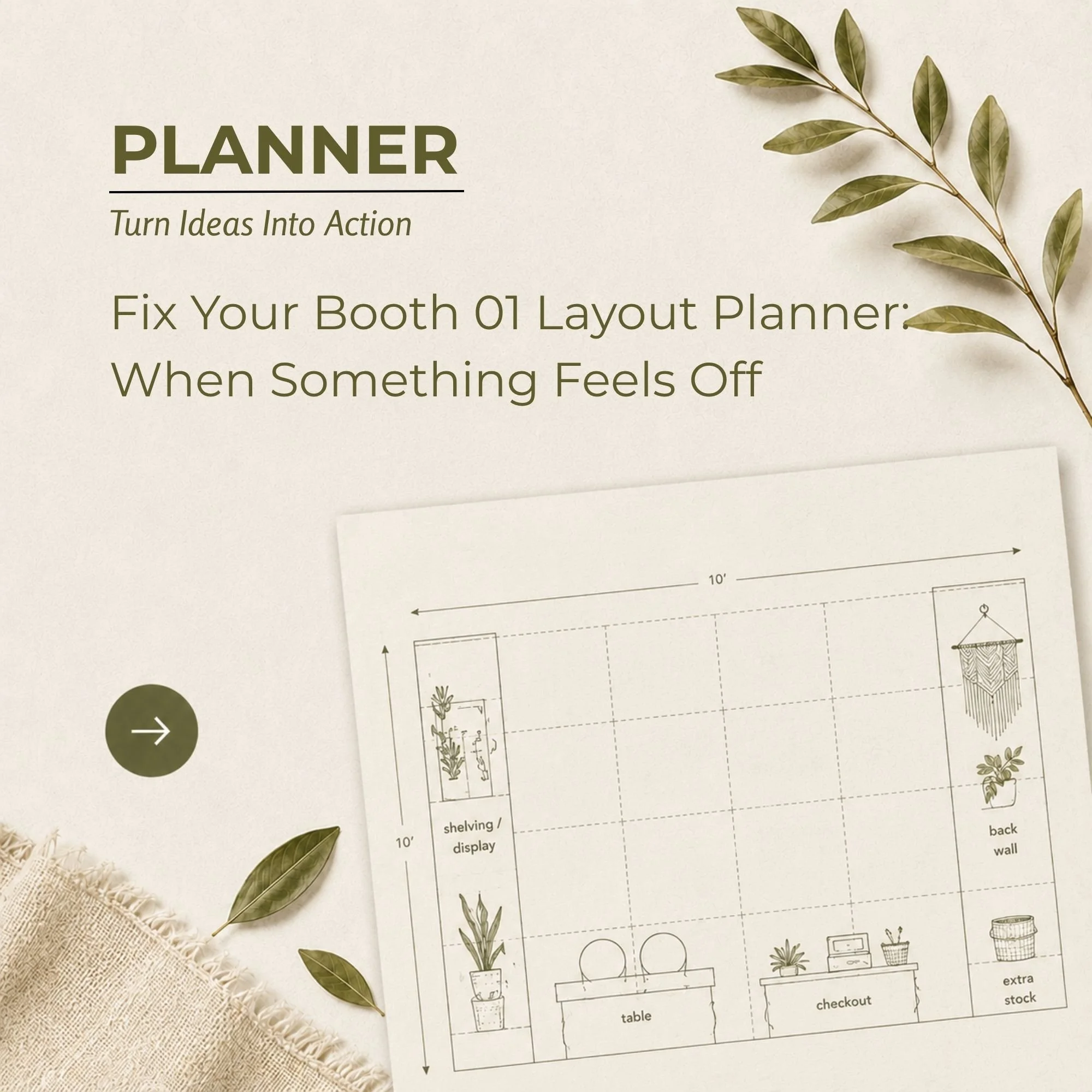
Turn ideas into action with printable planning tools for booths, customers, and creative business growth.
Explore Our Shops
From craft booth tools to handmade goods, explore shops built for makers.
The Craft Booth Co.
Krafters Hollow
Seasonal & Trending
-
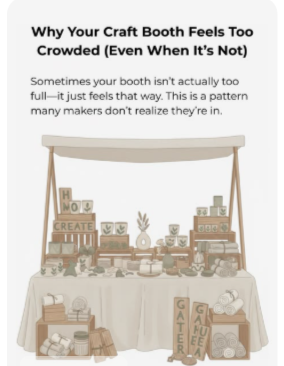
![Illustrated craft booth display showing visually crowded product placement and cluttered layout patterns that can overwhelm shoppers and reduce booth clarity even when inventory levels are manageable.]()
Crowded Booths
SHOPPER BEHAVIOR
-
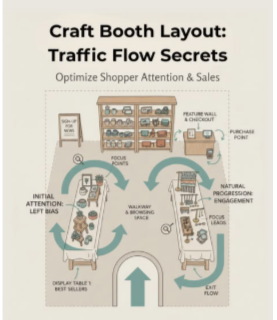
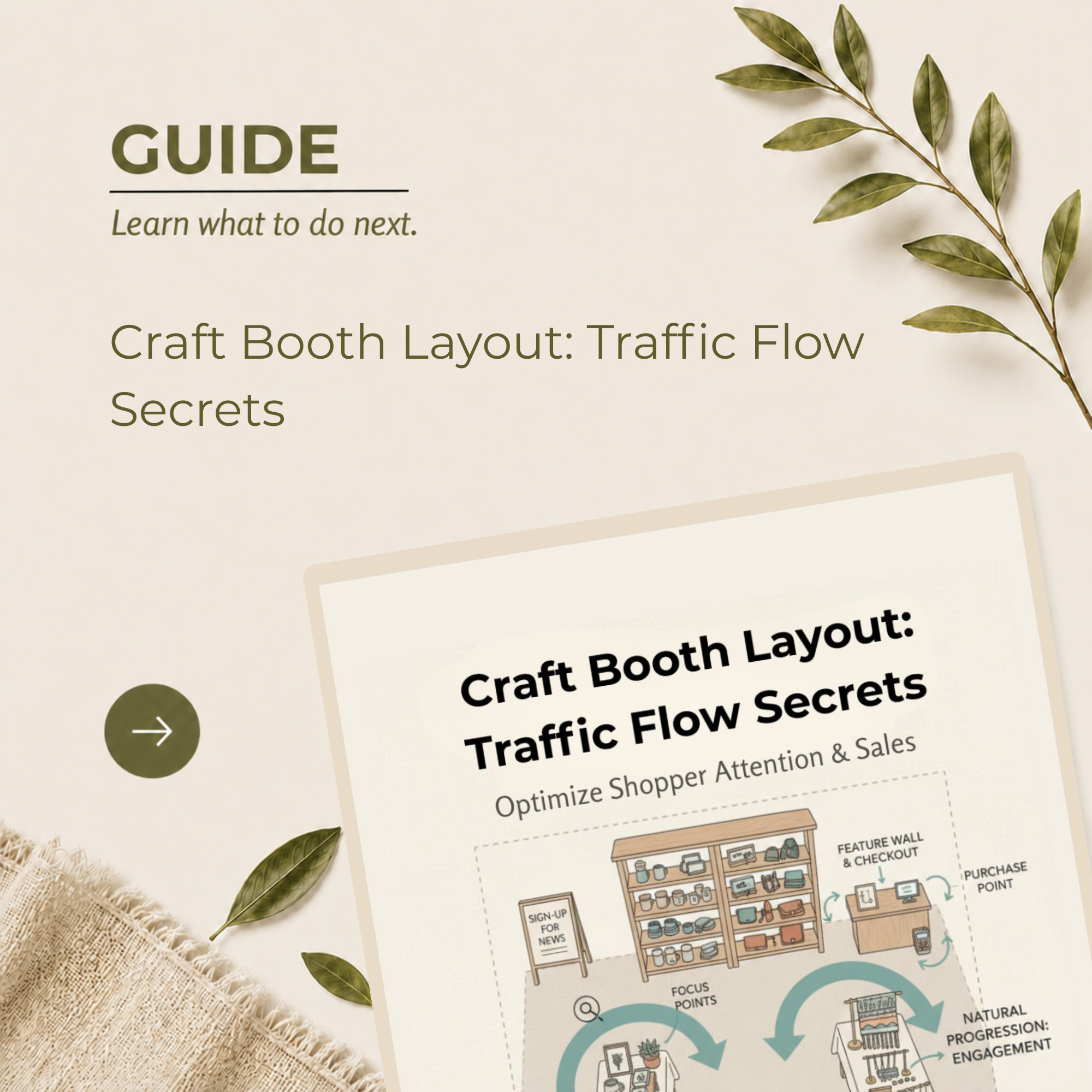
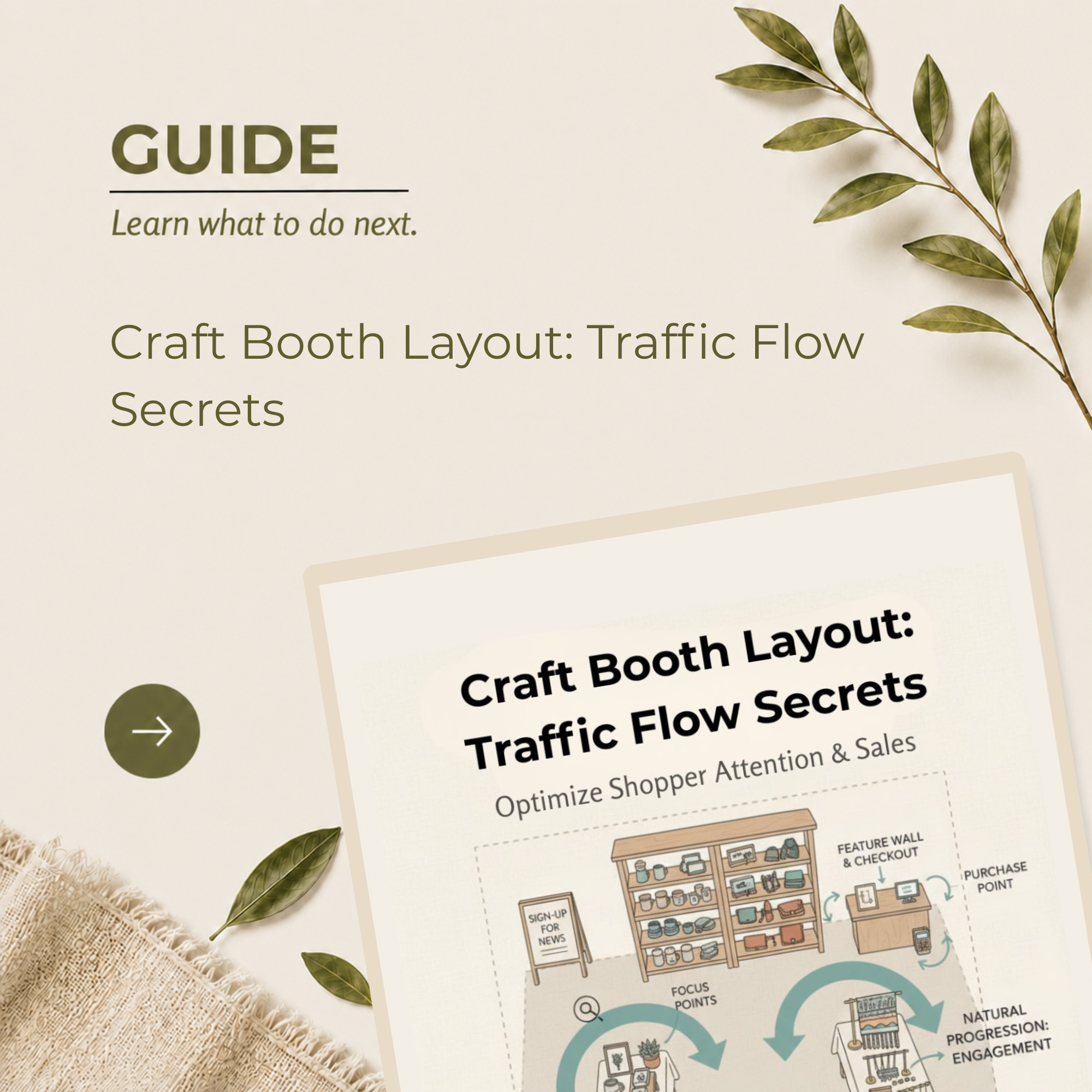
![Illustrated craft booth layout diagram showing shopper traffic flow, focal points, display table positioning, and customer movement strategies designed to improve booth engagement, browsing behavior, and craft show sales.]()
Booth Flow
SHOPPER BEHAVIOR
-
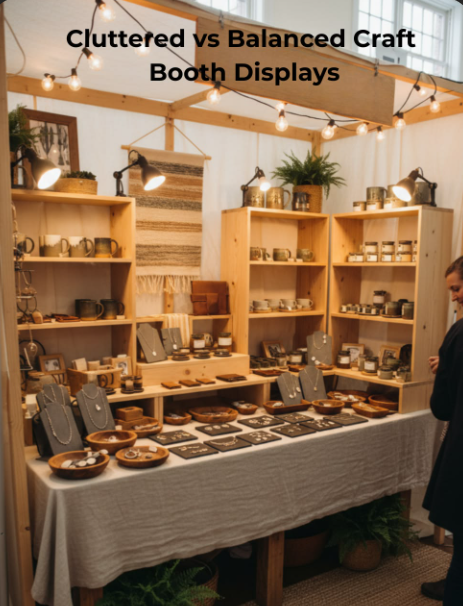
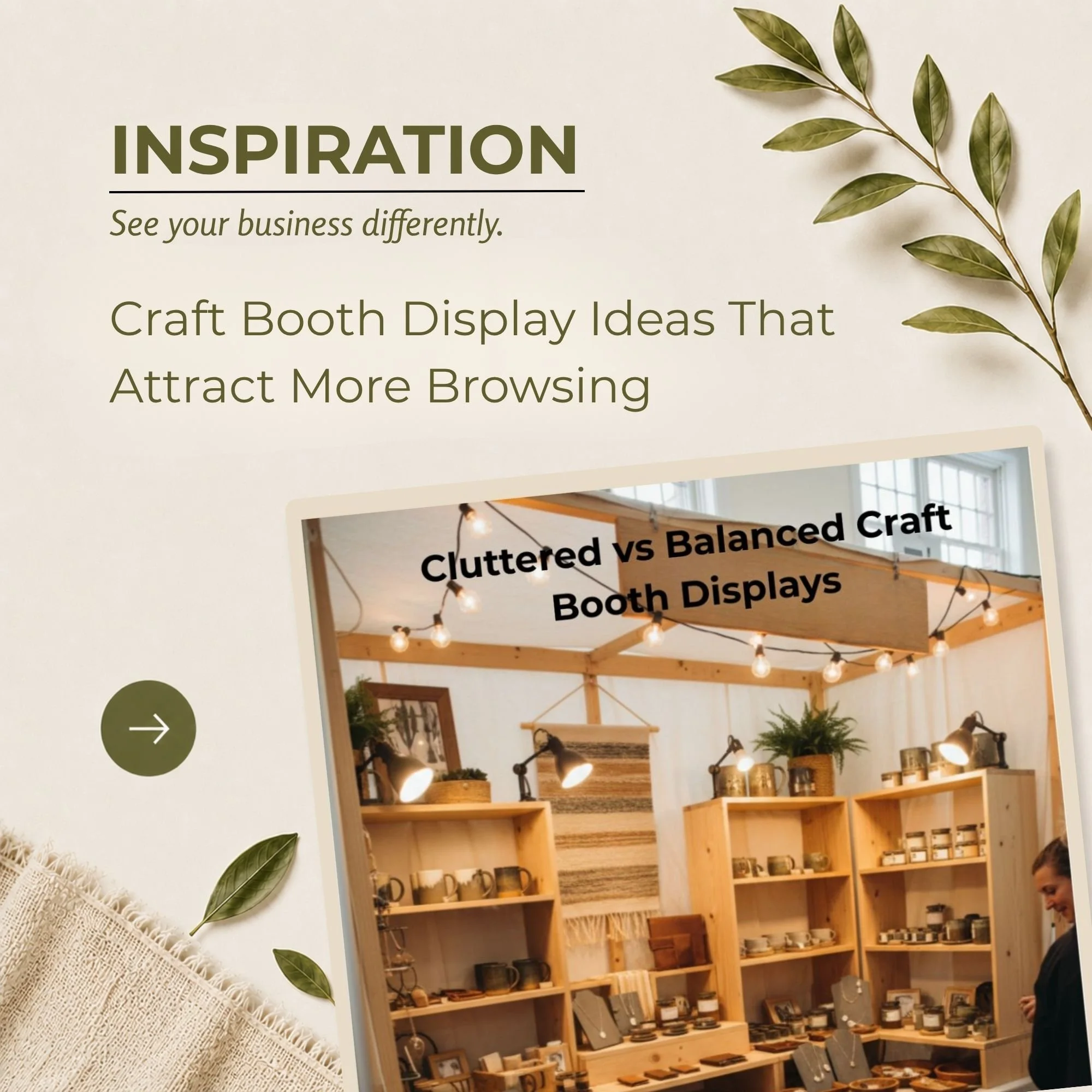
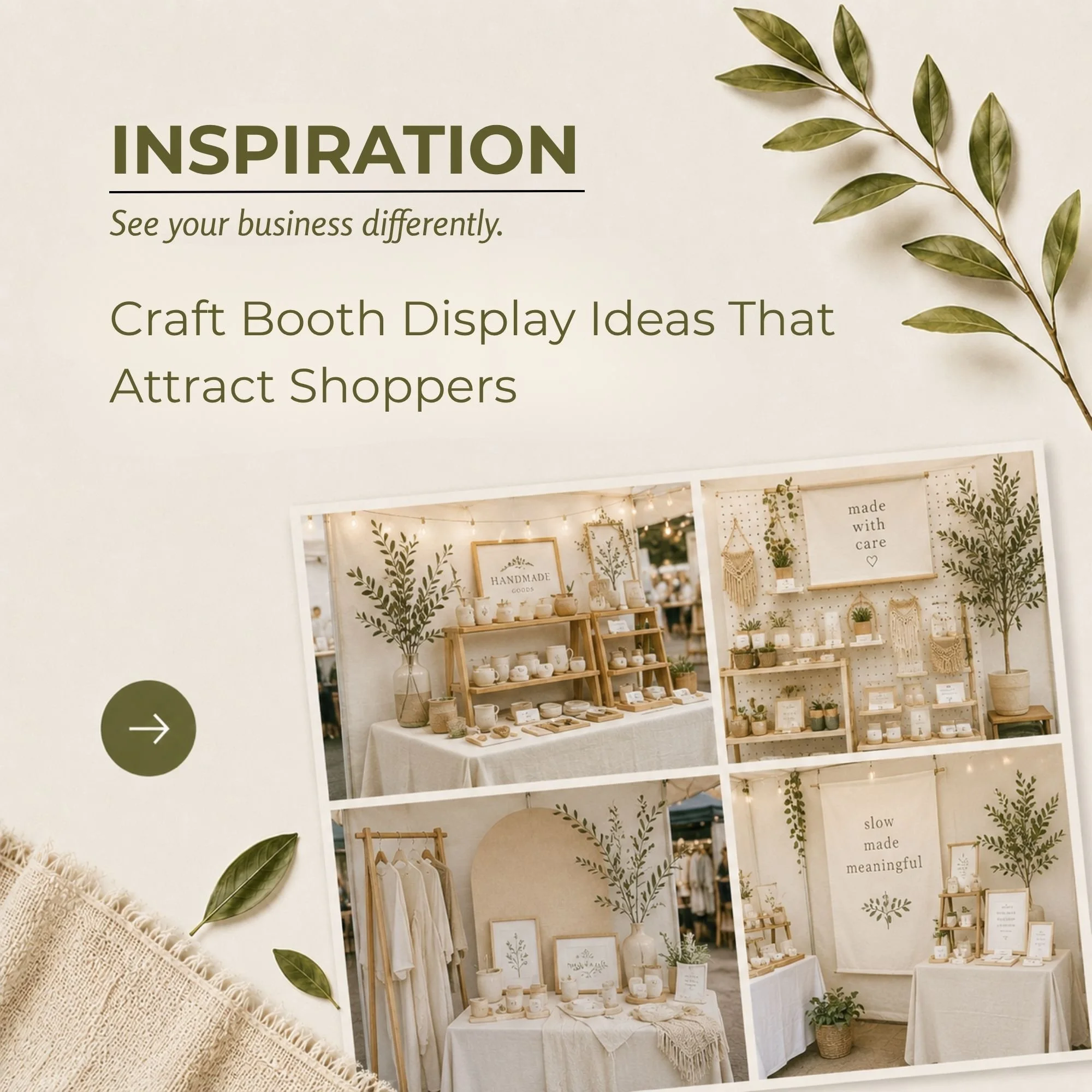
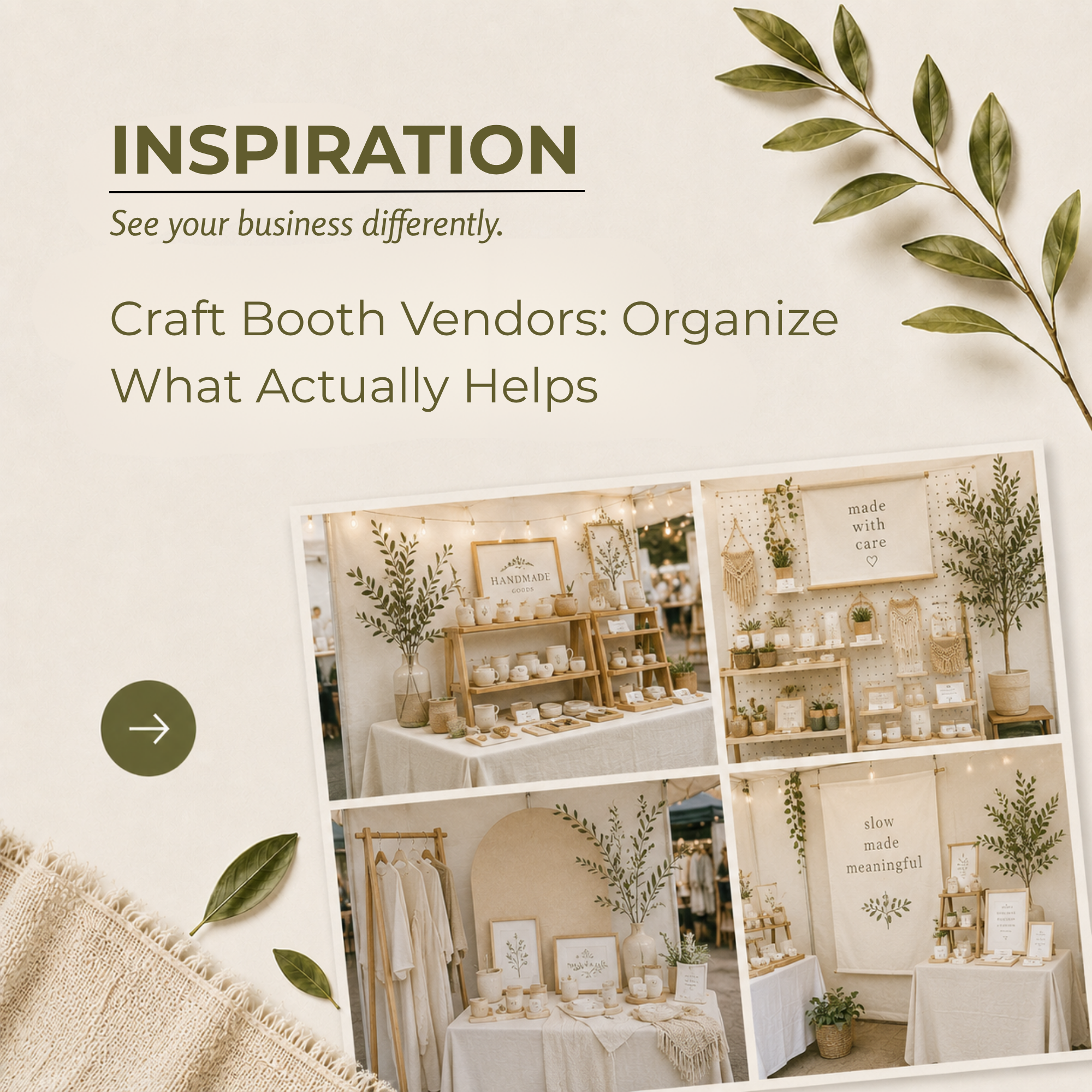
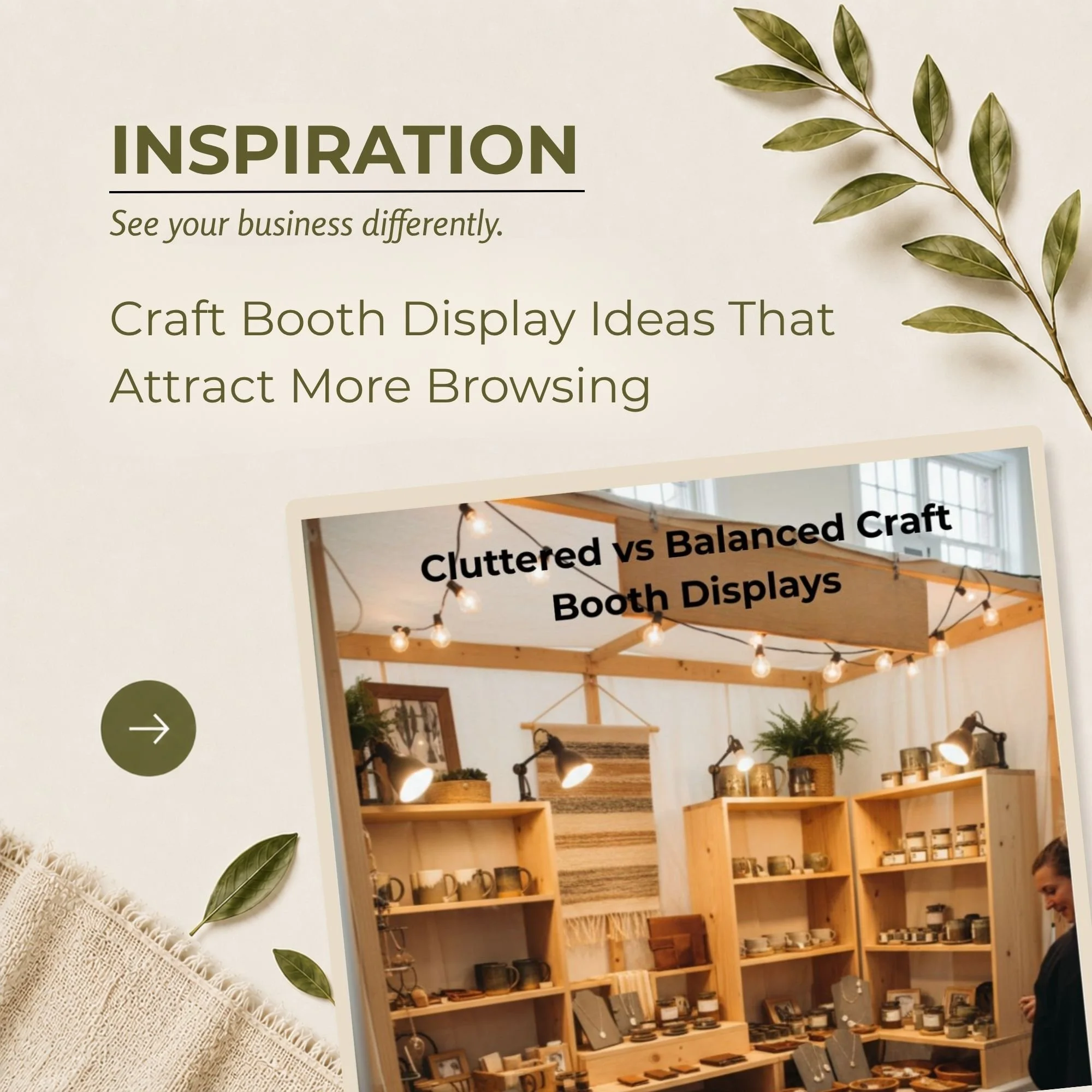
![Warm handmade craft booth display featuring wooden shelving, pottery, candles, and artisan products arranged in a clean market setup designed to inspire craft show booth styling and display ideas for handmade sellers.]()
Booth Displays
DISPLAY IDEAS
-
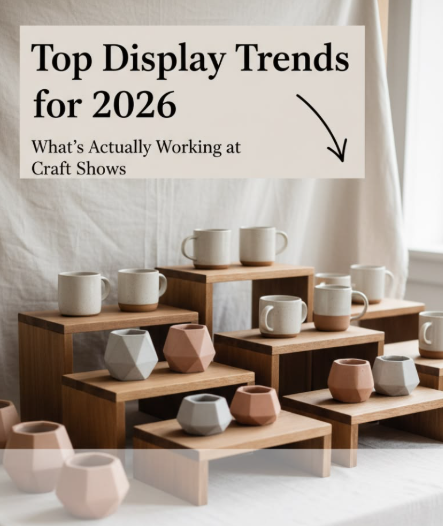
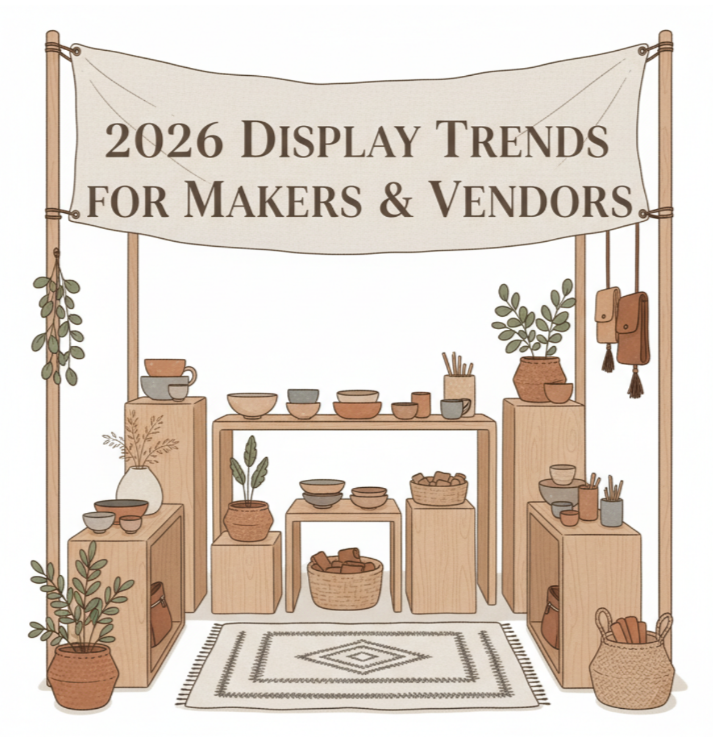
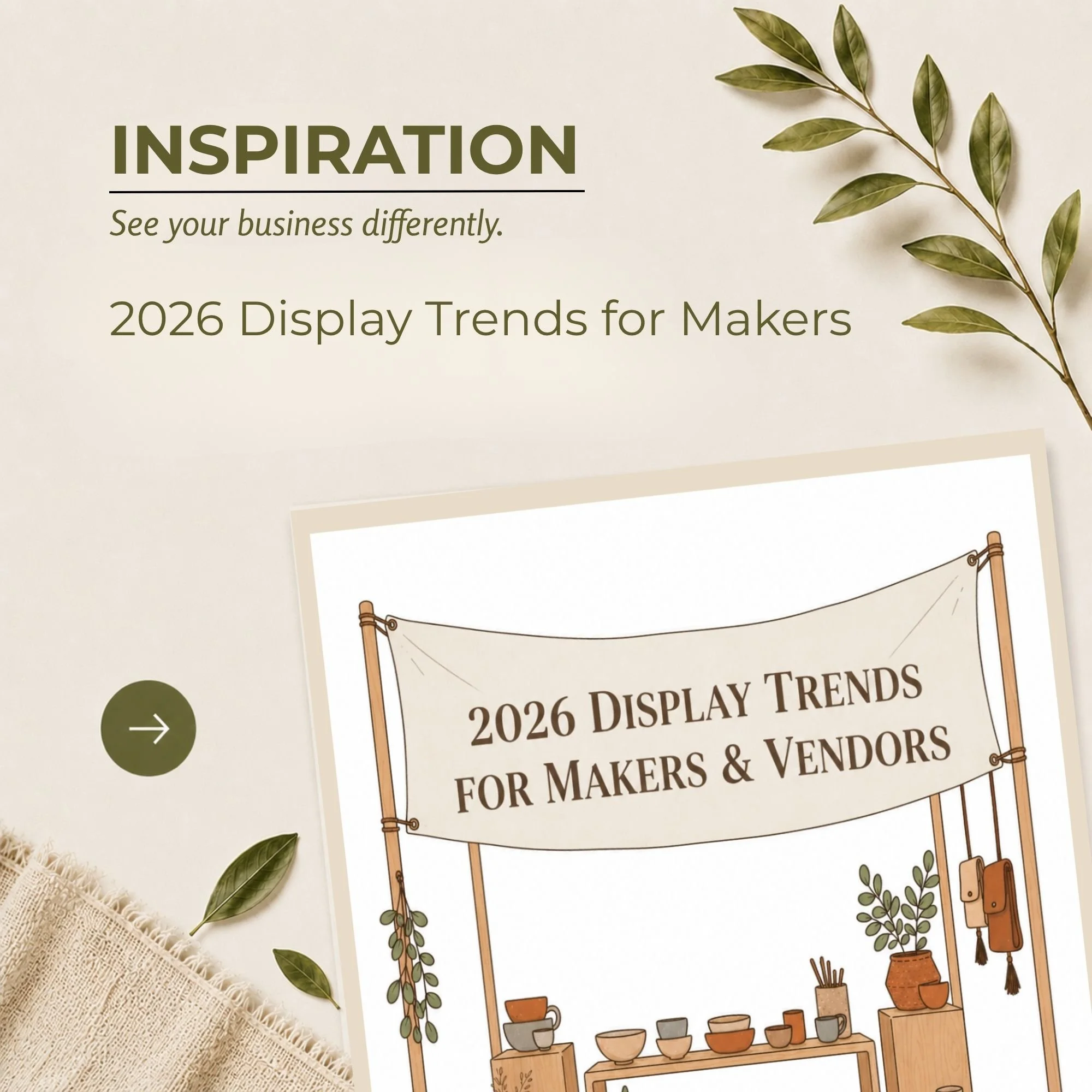
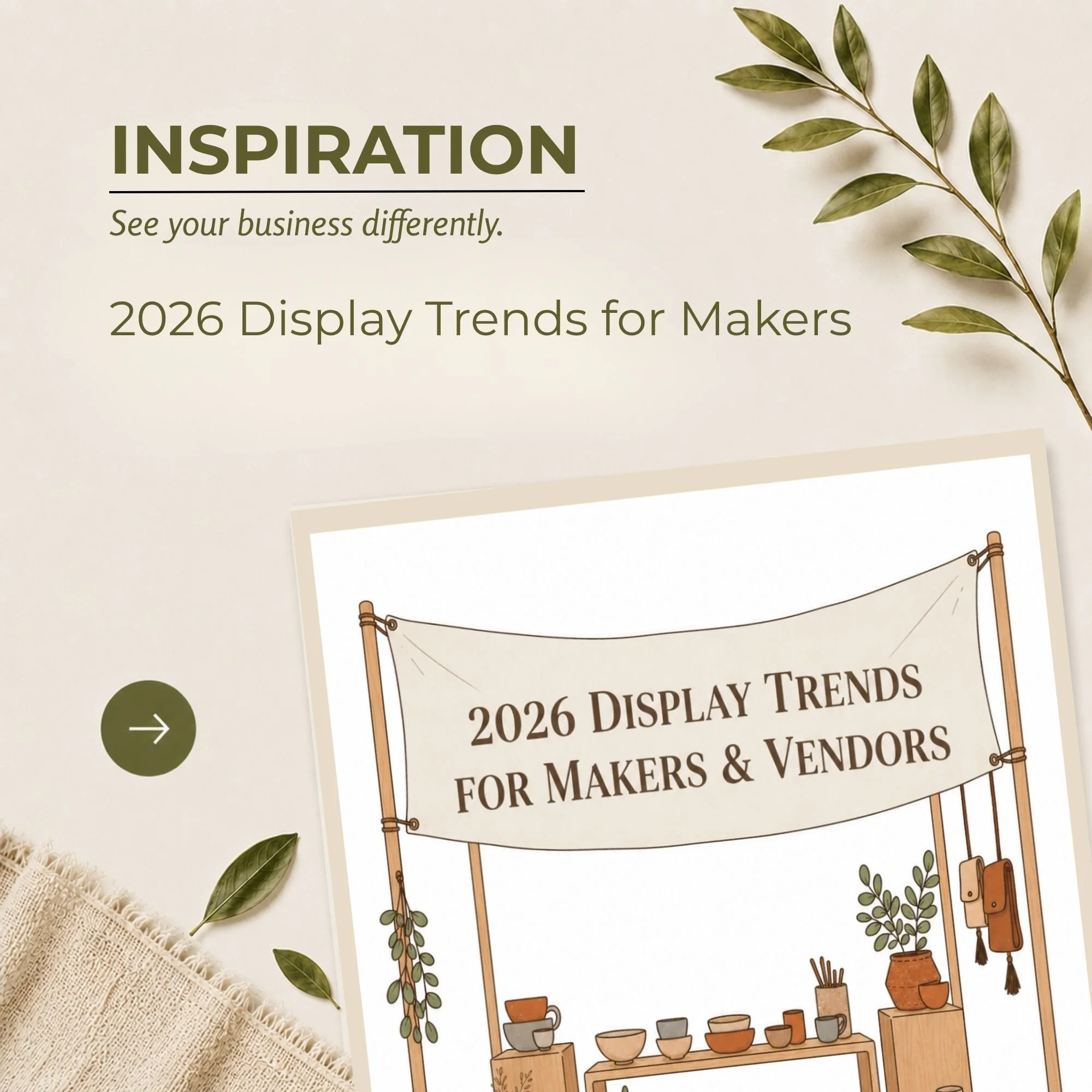
![Illustrated 2026 craft booth display trends featuring clean handmade booth styling, natural materials, warm neutral product presentation, and modern artisan market display inspiration for craft show vendors and makers.]()
Display Trends
TRENDING
-
![]()
2026 Trends
Trending
-
![Pinterest logo representing visibility strategy, content discovery, traffic generation, and audience growth tools for handmade sellers, craft businesses, and creative entrepreneurs using Pinterest marketing.]()
Pinterest Strategy
VISIBILITY
-
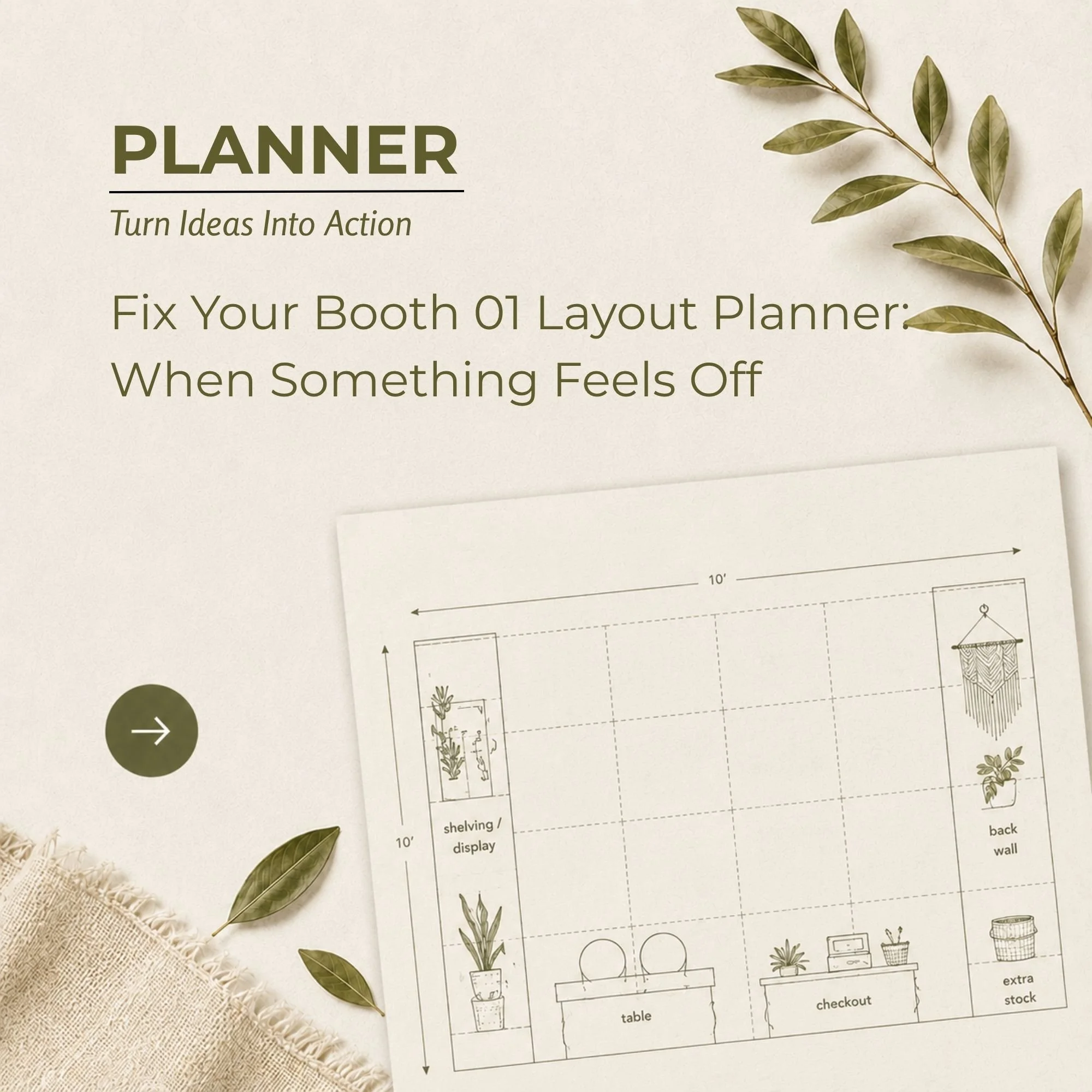
![Illustrated craft booth planning guide showing optimized booth layouts, shopper flow pathways, and display organization strategies designed to help handmade sellers create booths that encourage customers to stop, browse, and buy.]()
Booth Planning Guide
Most purchased
-
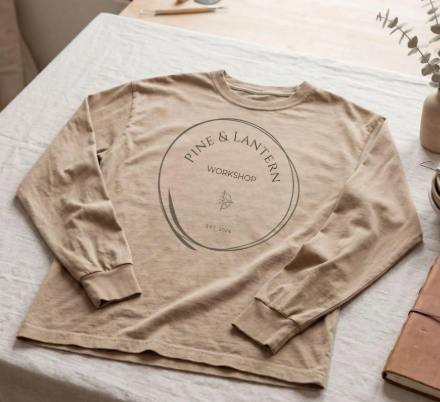
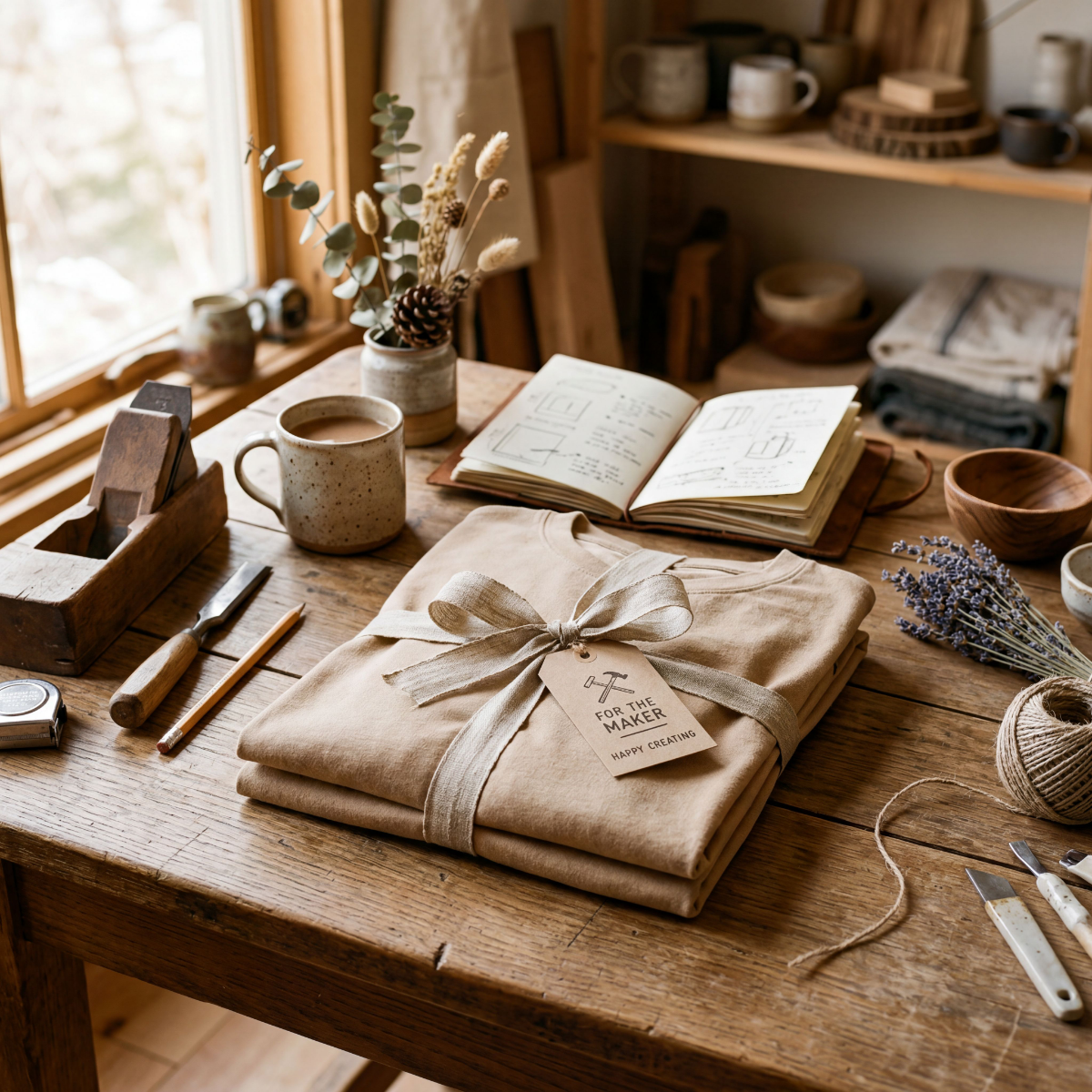
![Neutral-toned customizable maker apparel displayed on a folded sweatshirt in a warm creative workspace, representing handmade business branding, workshop culture, and apparel designed for makers and creative entrepreneurs.]()
Maker Apparel
CUSTOMIZABLE
-
![Minimal craft booth layout planner displayed on a clean workspace table representing booth planning resources, display organization tools, and practical layout guides for handmade sellers and craft show vendors.]()
Booth Resources
THE CRAFT BOOTH CO
-
![Krafters Hollow maker brand logo representing handmade craftsmanship, creative workshop culture, artisan tools, apparel, maker resources, and products designed for woodworkers, crafters, and creative small businesses.]()
Maker Resources
KRAFTERS HOLLOW