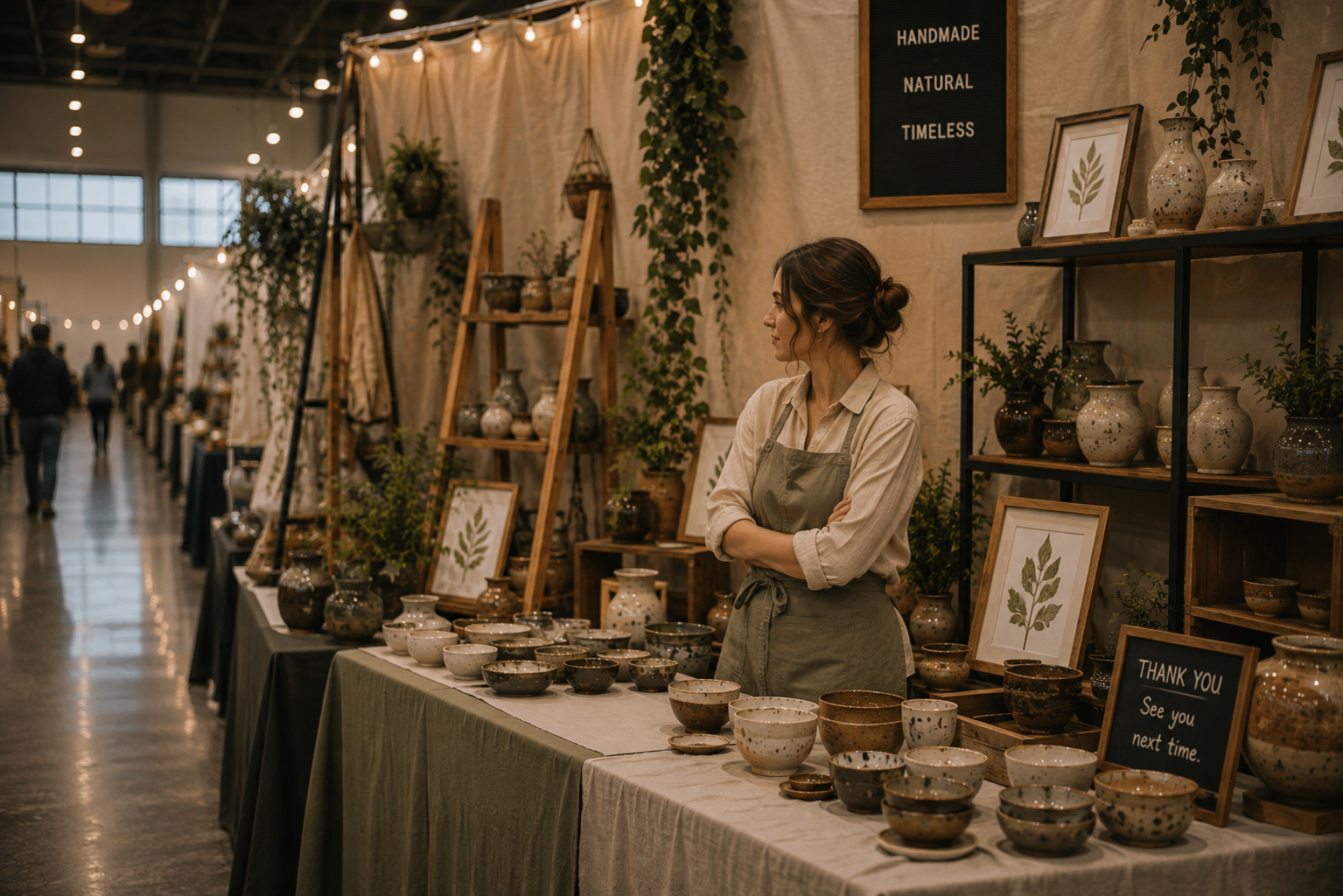
A Bad Craft Show
Doesn’t Always Mean
You Have a Bad Booth
Before you change what you built, look at what actually happened.

The Booth Is the Easiest Thing to Blame
A disappointing show has a way of making everything in your booth look different.
The display that seemed fine that morning suddenly feels too crowded. The table placement starts to bother you. Maybe the signs were wrong. Maybe shoppers couldn't see what you were selling. Maybe you brought the wrong products.
And sometimes, one of those things really does need attention.
But a slow show doesn't tell you that by itself.
Before you start moving tables, replacing displays, or rethinking everything you built, it helps to separate what happened at the show from what shoppers actually showed you about your booth.
Was It the Booth—or Was It the Show?
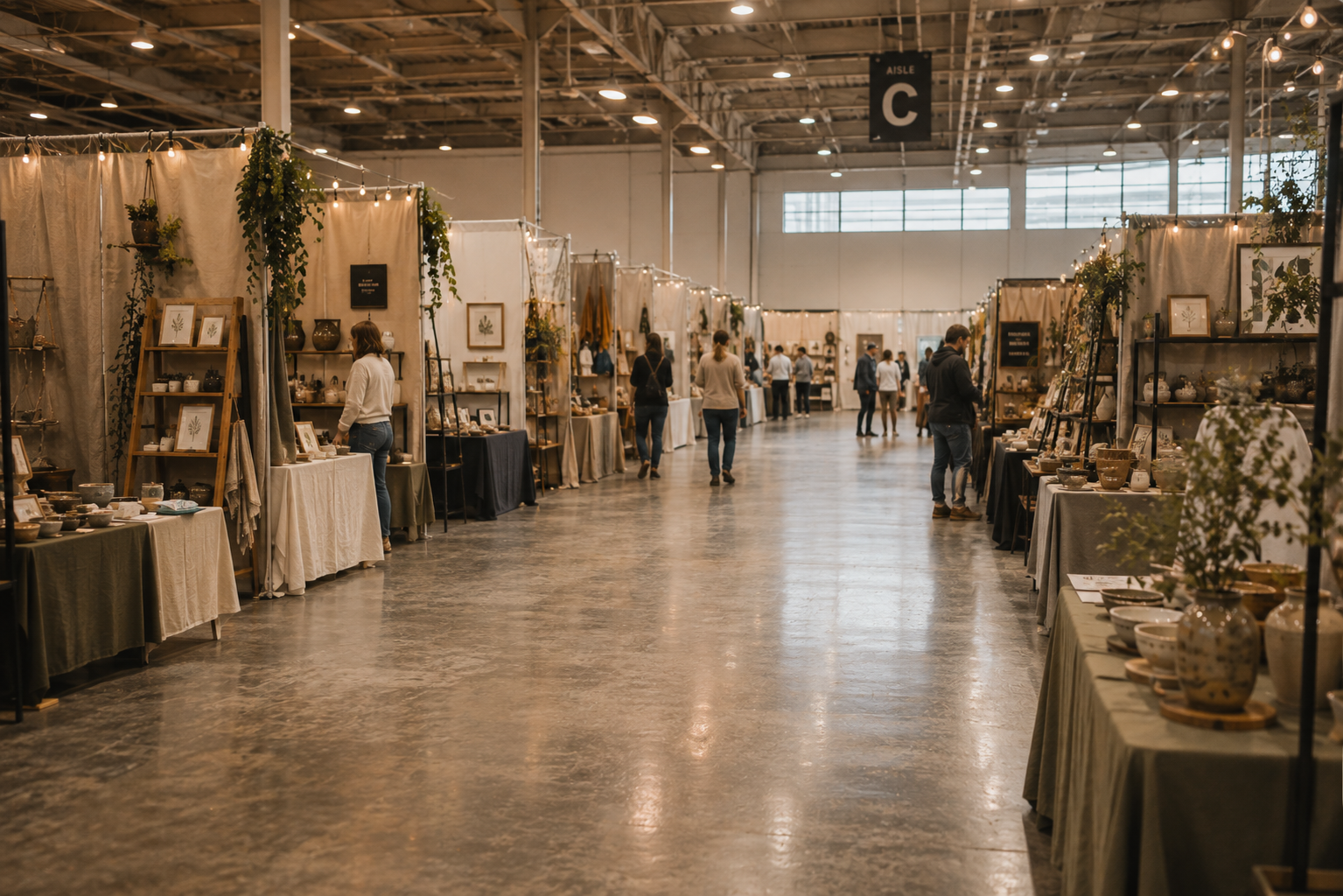
A slow day can come from a lot of places.
Low attendance. The wrong crowd. Weather. A competing event. Poor promotion. An awkward location in the building. Shoppers who came to look rather than buy.
None of those automatically mean your booth worked perfectly.
But they don't automatically mean it failed, either.
The useful question isn't simply:
“How much did I sell?”
It's:
“What happened when people actually reached my booth?”
Sales Tell You the Result.
Behavior Tells You More.
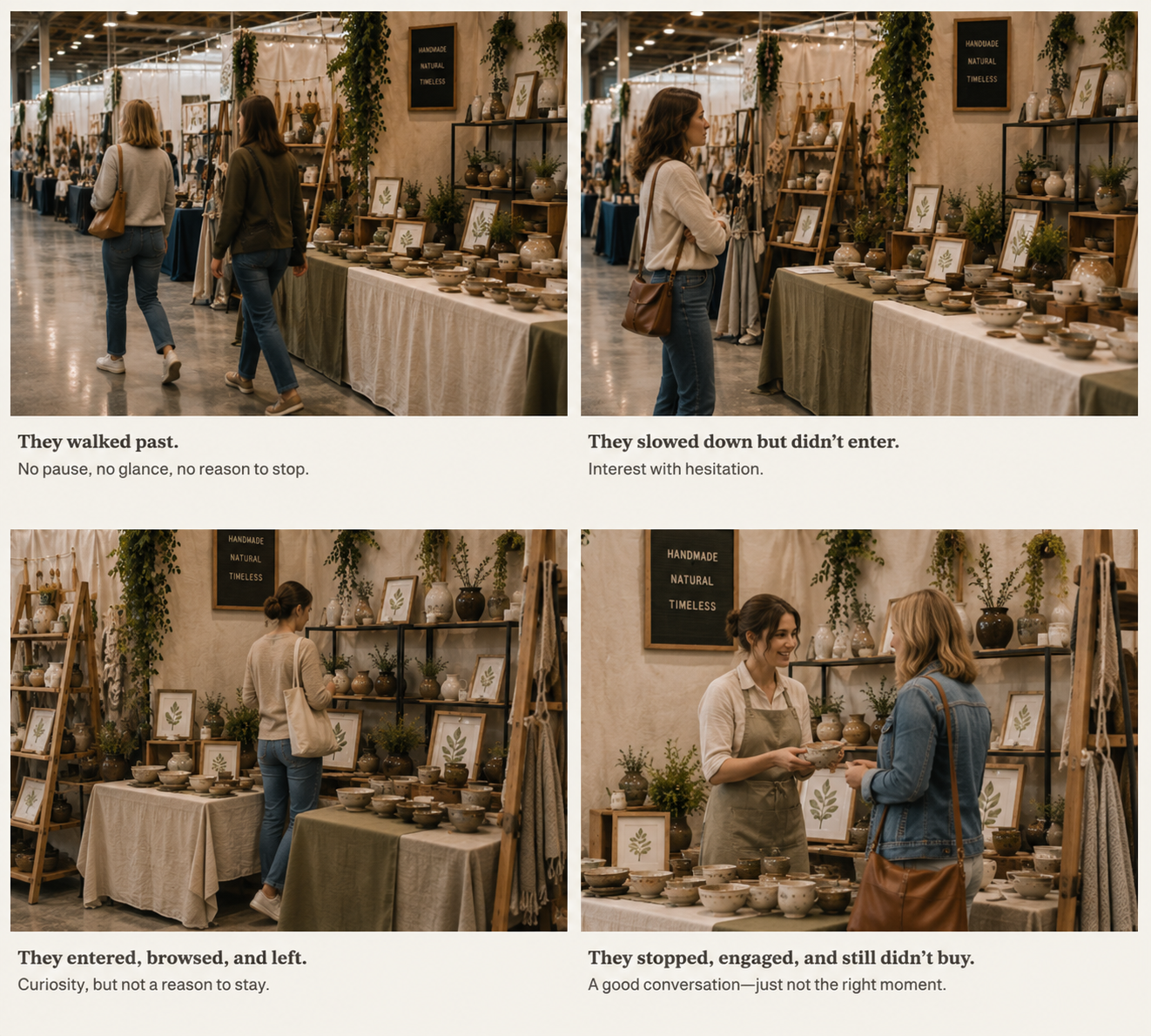
We’ve just shown four completely different shopper behaviors that can all produce the same result: no sale.
Now we say why that matters.
Two shows can end with the same sales total and tell you completely different things.
If shoppers barely reached your booth, that's one story.
If they repeatedly stopped, entered, picked things up, asked questions, and stayed awhile—but didn't purchase—that's another.
The sales number tells you how the day ended.
Shopper behavior helps tell you what happened along the way.
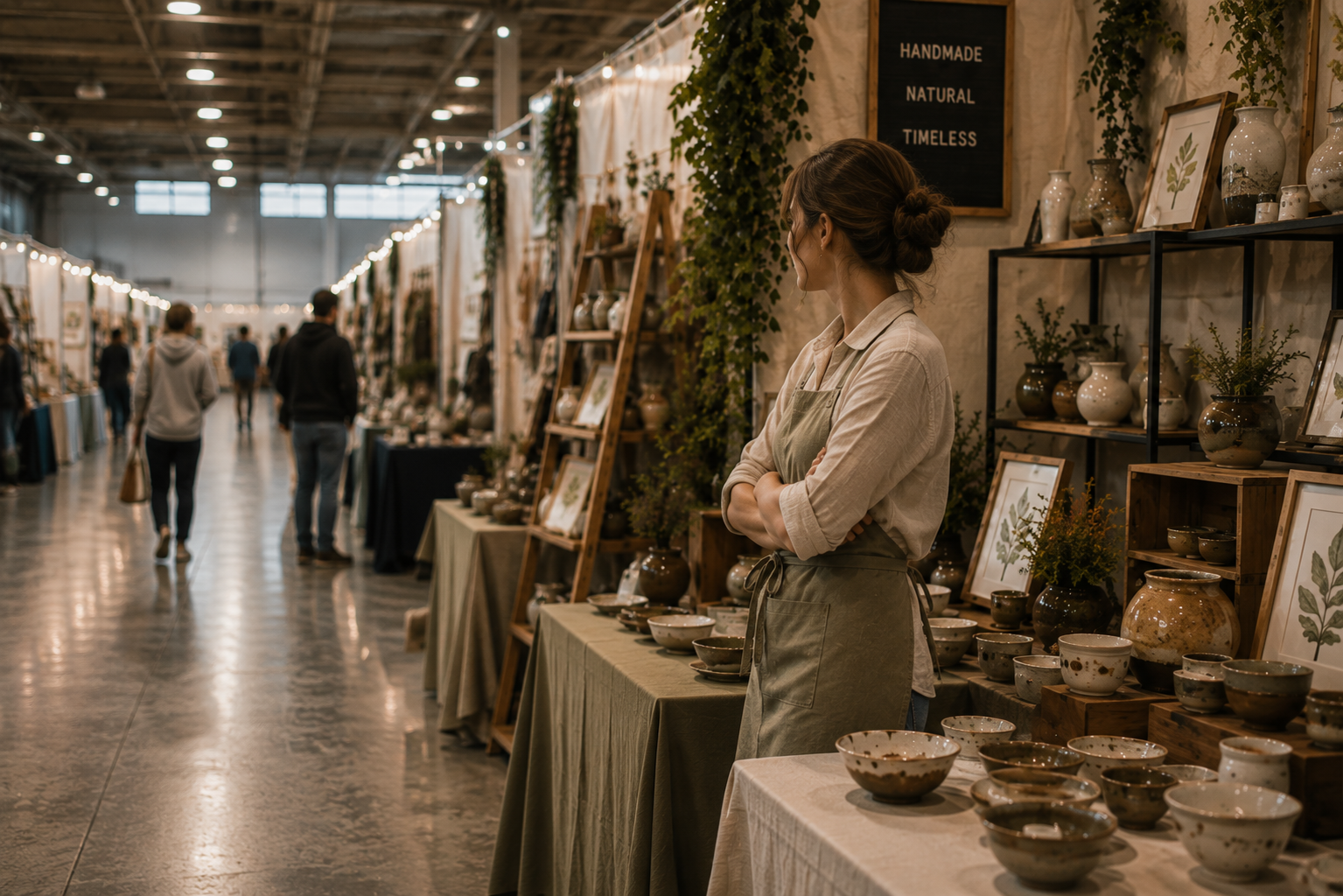
Before You Change the Booth,
Sort the Evidence
What the show gave you
Low attendance.
The wrong crowd.
Poor promotion.
Weather.
A difficult location.
A competing event.
A crowd that simply wasn't buying much.
These things can affect your sales before shoppers ever reach your booth.
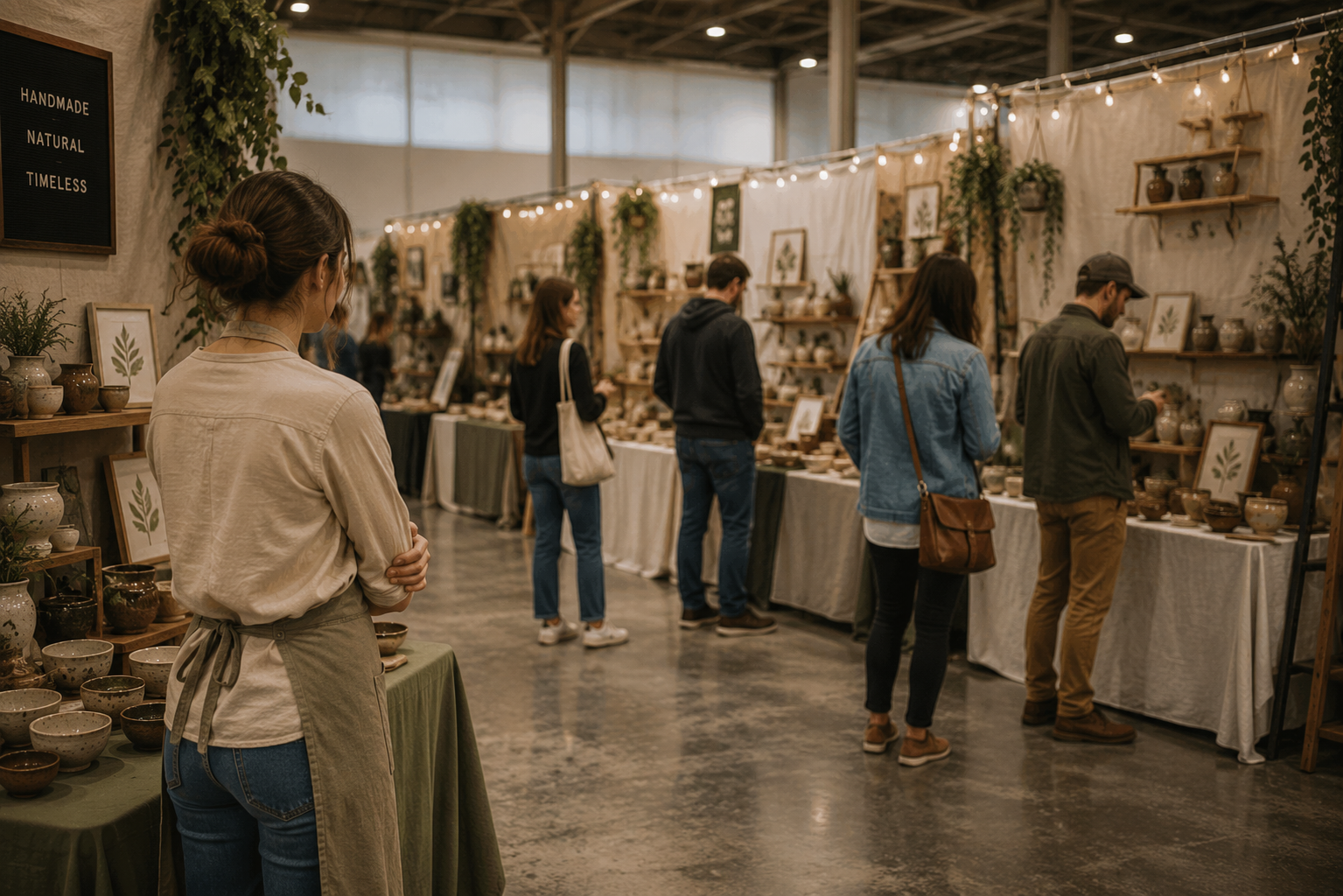
What shoppers showed you
They walked past.
They slowed down.
They entered.
They browsed.
They picked things up.
They asked questions.
They stayed awhile.
They came back.
These things tell you what happened once your booth had a chance to work.
You can't fix what the show gave you by rearranging your booth.
But what shoppers repeatedly showed you may give you something useful to work with.
So When Should You Actually Change Something?
A single moment can be interesting.
A shopper walks past. Someone hesitates at the entrance. A customer picks something up and puts it back. One person asks a question you weren't expecting.
Notice it. But don't build a conclusion around it yet.
What matters is what happens again.
When shoppers repeatedly slow down but don't enter, that's different.
When they enter but consistently stop in the same place, that's different.
When people pick up the same product and put it back, ask the same question, or seem confused by the same thing, that's different too.
Repetition turns an observation into something worth investigating.
Don't change something because it happened.
Change something because you have a reason to believe it keeps happening.
A Bad Show Can Still Give You Something Useful
A disappointing show is still a disappointing show.
You don't have to pretend otherwise.
But before you decide the booth failed, look at what happened around the sales number.
Did people stop?
Did they come in?
Did they stay?
Did they ask questions?
Did the same hesitation appear more than once?
Those observations won't change what you made that day.
But they can change what you understand about it.
And sometimes the most useful thing you bring home from a bad show isn't a list of things to fix.
It's knowing what not to change yet.